What to Know Before Installing a Heat Pump in the East Valley

Salt River Air LLC • August 19, 2026

Switching to a new heating and cooling system is a major financial decision for your household. You need a system that handles the brutal summer heat while keeping you cozy on chilly winter nights. The crew at Salt River Air LLC installs premium systems and we want to help you navigate the process without any confusion. This guide covers the essential details of heat pump installation so you know exactly what to expect.


Many homeowners feel overwhelmed by the technical jargon and high pressure sales tactics common in the HVAC industry. We believe that educating our customers leads to better decisions and longer lasting equipment. Knowing which questions to ask and which red flags to spot will protect your property and your wallet. Let us break down the critical steps you must take before signing a contract for new equipment.


What You Need to Know:


  1. Understanding Load Calculations for Proper Sizing
  2. Is a Heat Pump Better Than a Standard AC in Arizona?
  3. Red Flags to Watch for When Choosing a Contractor
  4. Crucial Questions to Ask Before Signing a Quote
  5. Making the Right HVAC Choice


Understanding Load Calculations for Proper Sizing


Buying the biggest unit available is a massive mistake that leads to short cycling and poor humidity control indoors. Your contractor must perform a manual heat load calculation based on your specific floor plan to find the exact tonnage required.


• Square Footage: The total size of your home provides a baseline for cooling and heating requirements.

• Window Exposure: Sun facing windows require more cooling capacity to offset the intense radiant heat gain.

• Insulation Levels: Thicker attic insulation traps conditioned air and allows you to install a smaller and more efficient unit.


Is a heat pump better than a standard AC in Arizona?


Heat pumps are incredibly efficient for our specific climate because our local winters are relatively mild. Instead of burning gas to create heat, a heat pump simply absorbs ambient warmth from the outside air and moves it indoors through the refrigerant lines. During the summer, a reversing valve switches the flow and the unit acts exactly like a traditional air conditioner. This dual functionality saves physical space and often lowers your annual utility bills.


Red Flags to Watch for When Choosing a Contractor


The HVAC industry has plenty of fly by night operators who cut corners on the installation materials to offer a cheaper price. You should avoid any company that gives you a price over the phone without actually inspecting your attic and existing ductwork. A lowball quote usually means the installers are skipping essential steps like pulling a deep vacuum on the copper lines to remove moisture.


It is a pattern the team at Salt River Air LLC hears regularly when homeowners deal with rushed or inexperienced contractors.


► Client Experience: Salt River Air has been taking care of our AC/heating needs for about three years now. They also service our daughter’s home and recently my mother’s home. Our entire family highly and confidently recommends them! It is a family business and every member takes their craft seriously as well as having great pride in their work, as they most certainly should because it is outstanding. They are honest, show up when they say they will, work hard, and are very reasonably priced. Over the last few years they have had someone on site for service within a day or two. Sooner if it’s an emergency. Yesterday Antonio, Julio and their team removed and then installed two new complete split Trane units and they did it all in one day. When they were finished, the clean up was thorough. We will continue to use them for all our work.


A thorough cleanup and a professional attitude are just as important as the mechanical work itself.


Crucial Questions to Ask Before Signing a Quote


You should never feel pressured to sign a contract on the spot without getting clear answers to your technical questions. The right installer in Downtown Gilbert will gladly explain their process and stand firmly behind their workmanship.


• Warranty Details: Ask if the quote includes a labor warranty alongside the standard manufacturer parts guarantee.

• Ductwork Condition: Ask if your existing air ducts are sized correctly to handle the increased airflow of a new variable speed blower motor.

• Electrical Upgrades: Ask if the new system requires a larger breaker or new high voltage wire pulled from the main electrical panel.


Making the Right HVAC Choice


An informed buyer always ends up with a better performing system and lower long term energy costs. We believe in total transparency and upfront pricing so you never deal with surprise charges on installation day. Give us a call to schedule a free onsite evaluation and load calculation for your home.


Share This Blog

Wall-mounted white air conditioner on a beige wall beneath ceiling tiles.
By Salt River Air LLC August 25, 2026
Will a mini-split actually lower your electric bill? Salt River Air LLC explains the real ROI and installation challenges for older East Valley homes.
Woman sitting on a rug in a living room, looking at her phone beside a couch and coffee table.
By Salt River Air LLC August 11, 2026
Hosting for Labor Day? Stop dusty vents from ruining the party. Follow these trade-tested tips for better indoor air quality from Salt River Air LLC.
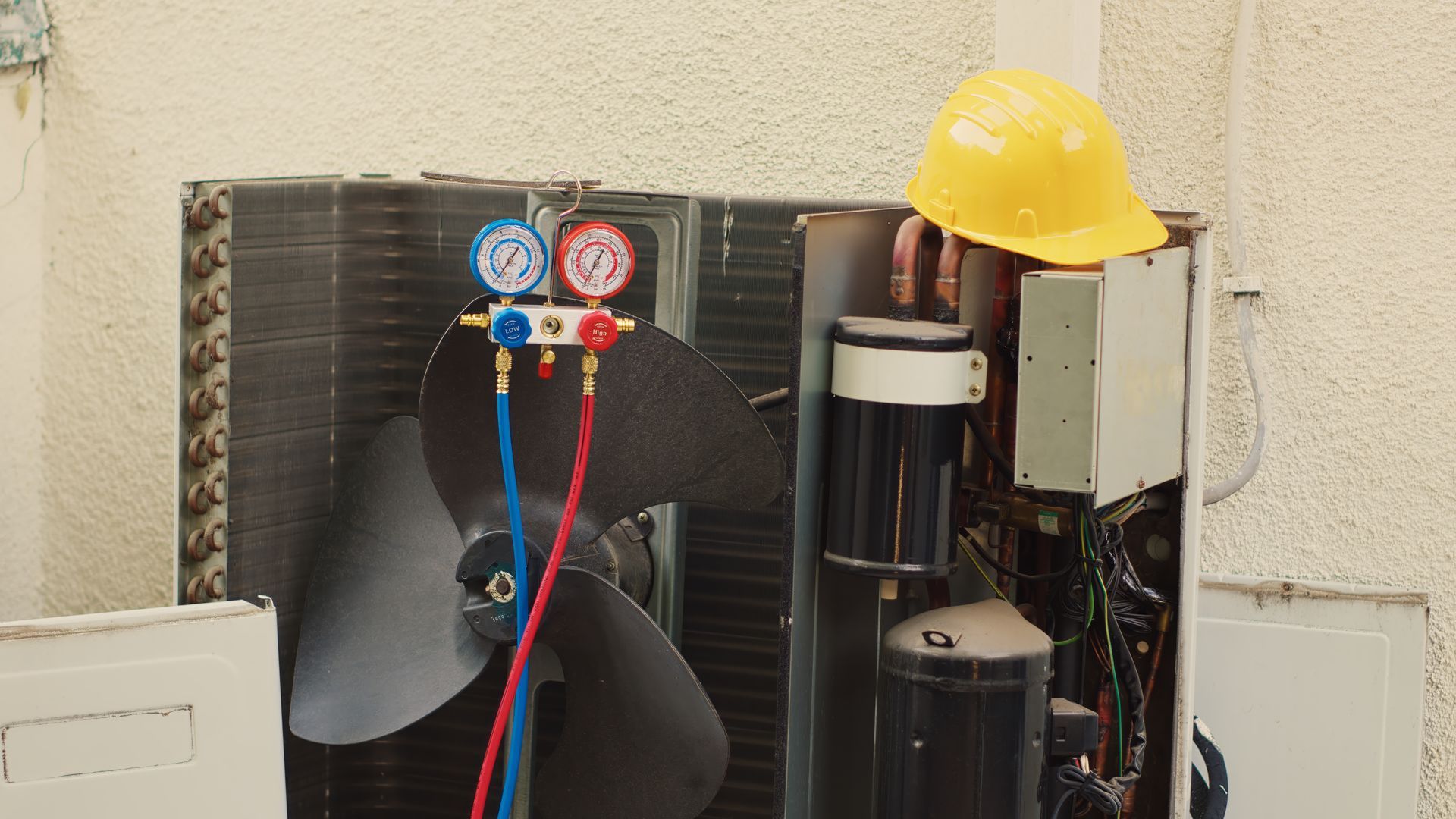
HVAC unit with gauges and hoses, yellow hard hat resting on top, against a stucco wall
By Salt River Air LLC August 5, 2026
Late summer heat tests every air conditioner in the area relentlessly. You might notice the air blowing from your vents feeling weak or barely cool when the harsh afternoon sun hits the roof. The team at Salt River Air LLC sees this exact scenario play out every single summer. We know how frustrating it is to deal with a failing cooling system when you need that relief the most. Our goal is to help you understand why outdoor compressors fail and when you need professional AC repair to fix the root cause. Ignoring the early warning signs usually leads to a complete breakdown during the hottest part of the day. A quick response protects your equipment and keeps your family safe from the extreme seasonal temperatures. Let us walk through the most common reasons your system struggles late in the season. What We Cover: The Impact of Dirty Coils on Compressor Lifespan Electrical Stress During Peak Demand Hours Why Does My Air Conditioner Stop Cooling in the Late Afternoon? Why DIY Refrigerant Recharges Destroy Equipment Protecting Your Investment Before September The Impact of Dirty Coils on Compressor Lifespan The outdoor unit sits exposed to dust storms and yard debris all year near the Superstition Mountains. When the condenser coils get coated in dirt, the system cannot release heat properly into the outside air. The compressor has to run longer and harder to reach the temperature set on your thermostat. This constant mechanical strain overheats the internal motor and eventually leads to permanent failure. → A quick tip to remember: Washing the outside unit gently with a garden hose once a season prevents heavy dirt buildup from choking the system. Electrical Stress During Peak Demand Hours Late summer afternoons push the electrical grid to its absolute limits across the region. Your air conditioning unit requires a massive surge of electricity just to start the cooling cycle. If the electrical components like the capacitor or contactor are weak, the compressor struggles to turn on and draws excessive amperage. This electrical struggle creates excess heat that burns out the internal wiring over time. This is a pattern the team at Salt River Air LLC hears regularly when parts begin to wear out. ► Client Experience: Friendly service and very quick repair to get our heat back up and going. My service techs were Alberto and Tony. Last week we had the condenser in the air conditioner go out. 2 day turn around and we were back up and running. Julio diagnosed the issue effectively and the team came out to get it done. When ever we have called they have answered with great service! Fast and accurate electrical diagnostics keep small component failures from destroying the entire condensing unit. → From a professional standpoint: Replacing a cheap dual run capacitor today saves you from buying a thousand dollar compressor tomorrow. Why does my air conditioner stop cooling in the late afternoon? Your system might stop cooling late in the day because the compressor overheats and shuts itself down on a thermal overload safety switch. The unit absorbs the highest ambient temperatures right when your house demands the most cooling power. If the airflow is restricted by a dirty filter or the refrigerant charge is slightly off, the system simply cannot keep up with the heat load. It takes a trained eye to track down whether the issue is airflow, low refrigerant, or a failing electrical component. Why DIY Refrigerant Recharges Destroy Equipment Homeowners sometimes try to add freon themselves using cheap gauge kits bought online. Air conditioning systems operate on very specific pressure and temperature scales that require calibrated digital gauges to measure subcooling and superheat. Adding too much refrigerant sends raw liquid straight into the compressor valves and breaks them instantly. You end up needing a massive AC repair bill or a complete system replacement just to fix a minor initial issue. → A quick tip to remember: Never connect a refrigerant hose to your system without proper EPA certification and diagnostic tools. Protecting Your Investment Before September Fixing an overheating system early keeps you comfortable and extends the operating life of your equipment. A proper diagnostic check pinpoints exactly what is causing the strain so we can replace the faulty part right away. Call our dispatch team to get an expert technician out to your home today.
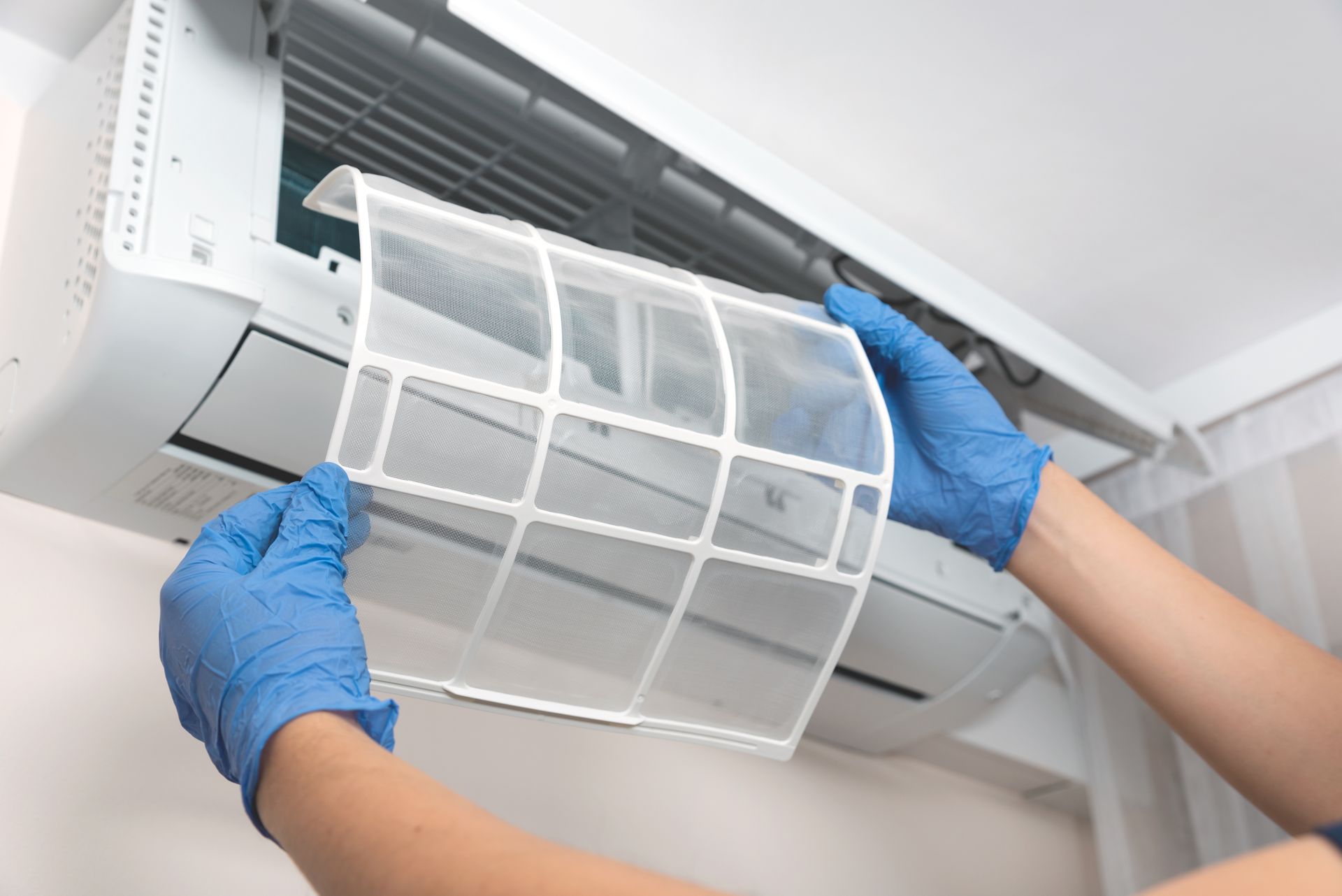
Gloved hands removing a dirty air conditioner filter for cleaning
By Salt River Air July 29, 2026
Dirty air filters cause most emergency AC repairs in East Valley homes. Learn why filter changes matter and keep your HVAC running with Salt River Air.
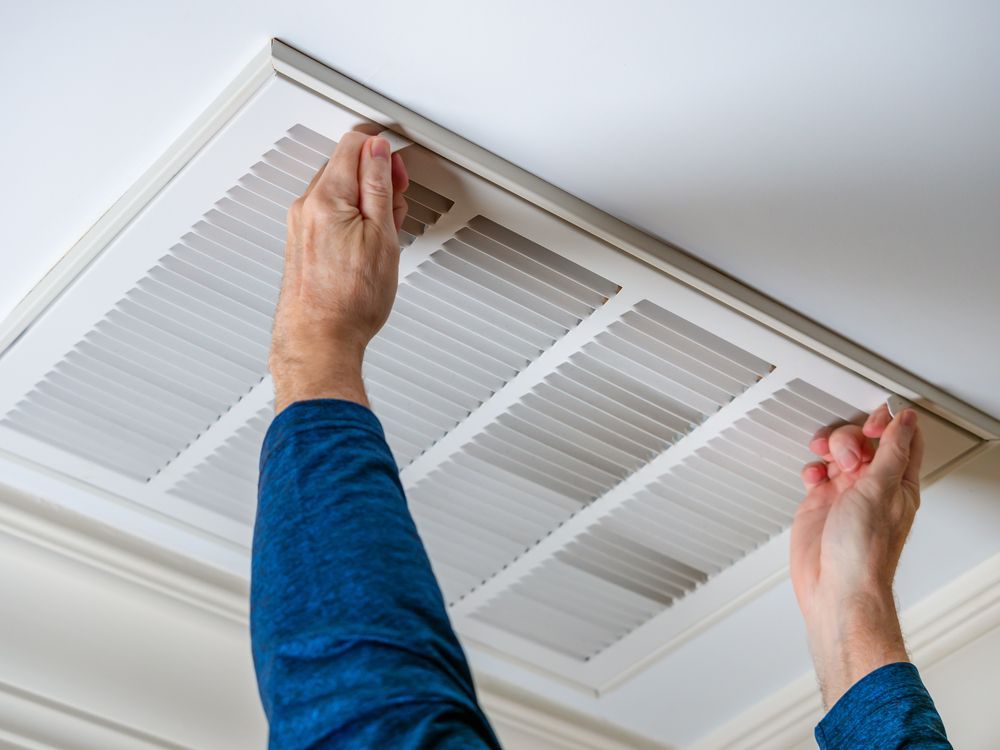
Hands adjusting a white ceiling vent filter with a blue sleeve visible
By Salt River Air July 21, 2026
Buying an older East Valley home? Discover HVAC warning signs and inspection tips to avoid costly surprises. Homebuyers’ guide by Salt River Air.
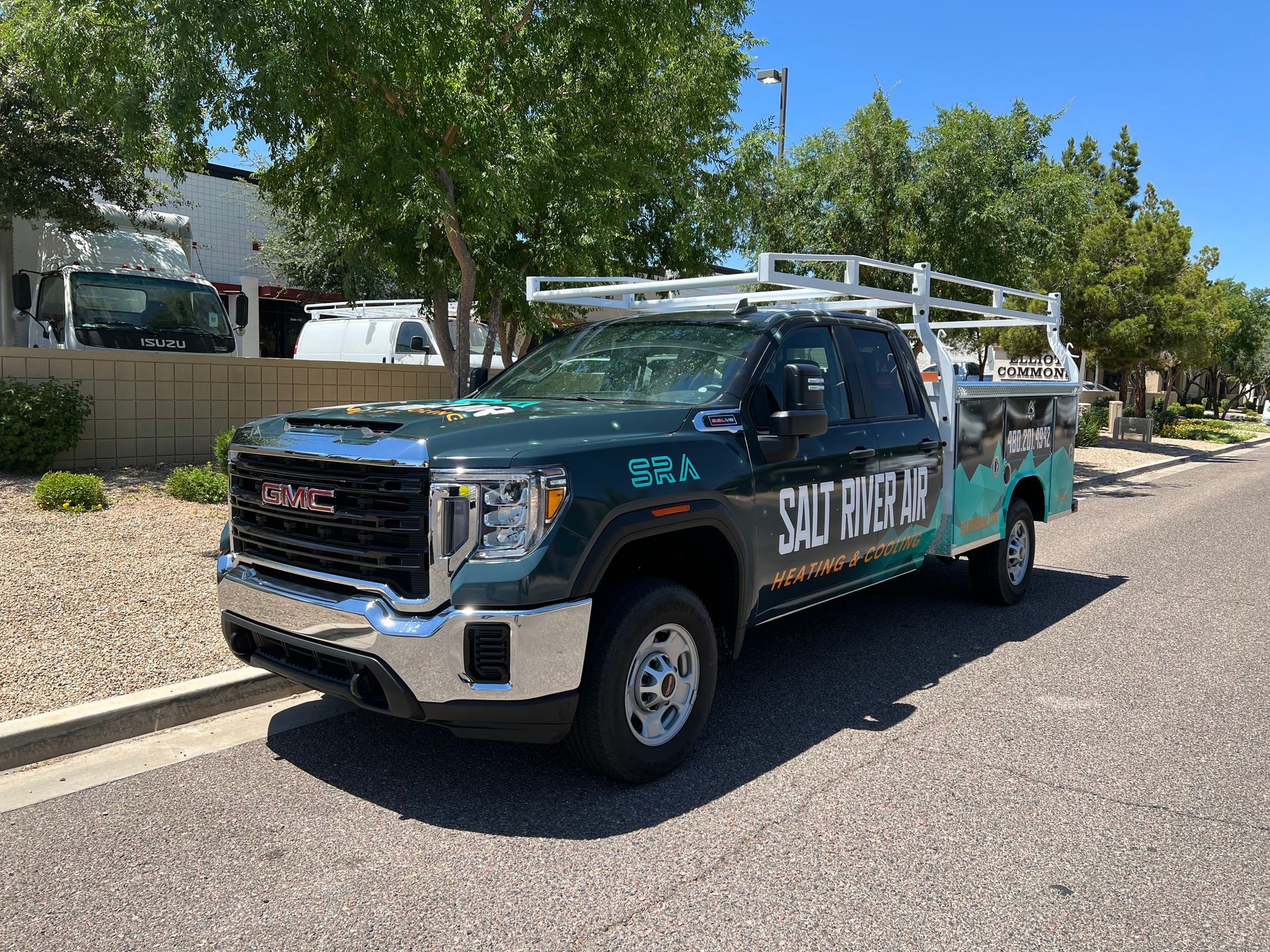
Green utility truck parked on a sunny street, with a ladder rack and large side lettering.
By Salt River Air July 15, 2026
Don’t miss Salt River Air’s top HVAC summer promotions in Mesa, AZ! Act now for deep savings on repairs, installations & maintenance.
Two technicians in blue uniforms inspect an outdoor air conditioning unit with tools
By Salt River Air July 12, 2026
Compare Salt River Air's Silver, Gold, and Platinum HVAC maintenance plans for Mesa, AZ and East Valley homes. Find the best fit for your needs today!
Two outdoor air conditioning units beside a house wall, surrounded by yellow flowers and shrubs.
By Salt River Air July 7, 2026
Wondering if heat pumps work for Arizona summers? Explore cost-saving and energy benefits for East Valley homes with Salt River Air experts.
Person lounging on a gray couch in a bright living room with a wall-mounted air conditioner and plants.
By Salt River Air June 28, 2026
Uncover five hidden sources of indoor air pollution in East Valley homes and see how a professional HVAC system can improve air quality and comfort.
White wall-mounted air conditioner under a ceiling, with a gray shadow above it.
By Salt River Air June 23, 2026
Strange AC noises in Mesa? Salt River Air techs explain what common sounds mean and how to keep your system running smoothly this summer.