4 Costly Smart Thermostat Installation Mistakes You Must Avoid

Salt River Air LLC • September 22, 2026

Upgrading to a smart thermostat seems like a simple weekend project until your air conditioner refuses to turn back on. The experts at Salt River Air LLC fix botched thermostat wiring jobs across Queen Creek every single week. Modern thermostats are essentially small computers that require very specific voltage and precise configurations to communicate with your heavy machinery. One wrong wire placement can blow a fuse on your control board or permanently damage your cooling equipment.


We want to help you avoid the expensive repairs that come from following generic online tutorials. A professional smart thermostat installation guarantees your new device actually lowers your energy bills instead of causing mechanical headaches. Knowing the hidden pitfalls of these upgrades will save you hours of frustration and protect your expensive HVAC system. Read through these critical installation tips before you start pulling wires out of the wall.


In This Article:


  • Tip 1: Identify Your Low Voltage Wiring Configuration
  • Tip 2: Seal the Wall Opening Behind the Baseplate
  • Tip 3: Avoid Placing the Unit Near Heat Sources
  • Tip 4: Configure the Heat Pump Reversing Valve Correctly
  • Frequently Asked Questions
  • Connect Your Comfort Safely


Tip 1: Identify Your Low Voltage Wiring Configuration


Older homes often lack the specific wiring needed to power a modern digital display continuously.


• The C-Wire Requirement: Most Wi-Fi thermostats require a common wire to draw steady twenty four volt power from the furnace board.

• Battery Limitations: Relying solely on AA batteries to power a Wi-Fi chip will cause the thermostat to drop its network connection constantly.

• Wire Pulling: If you lack a common wire, a professional must pull a fresh bundle of copper wire through the wall to ensure stable operation.


Tip 2: Seal the Wall Opening Behind the Baseplate


This is a step that almost every homeowner skips, which ruins the accuracy of the new device.


• False Readings: The hole behind the thermostat allows unconditioned drafty air from inside the wall cavity to blow directly onto the temperature sensor.

• Plumber Putty: Pressing a small amount of plumber putty into the wire hole stops wall drafts from confusing the thermostat logic.

• Short Cycling: If the sensor reads a cold wall draft, it will shut the air conditioner off prematurely before the actual room is cool.


Tip 3: Avoid Placing the Unit Near Heat Sources


The physical location of your thermostat dictates how the entire house feels.


• Direct Sunlight: Mounting a smart thermostat in the path of a bright afternoon window will make the sensor read ten degrees hotter than the room actually is.

• Lamp Placement: Keeping a hot incandescent lamp directly beneath the thermostat will force your air conditioner to run constantly.

• Kitchen Proximity: Thermostats placed too close to a hot kitchen oven will incorrectly assume the entire house is overheating.


Tip 4: Configure the Heat Pump Reversing Valve Correctly


Setting up the internal software is just as critical as attaching the wires to the correct terminals.


• Reversing Logic: You must tell the thermostat whether your specific heat pump brand energizes the reversing valve in cooling mode or heating mode.

• Incorrect Settings: If you select the wrong O/B terminal setting in the installer menu, your system will blow hot air when you ask for air conditioning.

• Equipment Protection: Entering the correct compressor lockout temperatures prevents the outdoor unit from damaging itself during freezing winter nights.


Frequently Asked Questions


Do I need a C-wire to install a smart thermostat?


In most cases, yes. The C-wire provides a continuous loop of power to keep the digital screen lit and the Wi-Fi radio connected to your router. While some brands sell adapter kits that bypass this requirement, installing a dedicated common wire is always the safest and most reliable method.


Can a smart thermostat ruin my AC compressor?


Yes, if it is wired incorrectly. If the thermostat sends erratic low voltage signals to the outdoor contactor, the compressor will rapidly click on and off. This short cycling causes massive electrical stress and can burn out a compressor motor in a matter of days.


How does a Wi-Fi thermostat lower utility bills?


These devices learn your daily routine and automatically adjust the temperature when you leave the house for work. They prevent you from paying to cool an empty house while ensuring the living room is comfortable by the time you return. You can also view energy reports on your phone to track exactly how many hours your system runs each day.


Connect Your Comfort Safely


Taking the time to understand your wiring protects your heating and cooling equipment from accidental damage. A properly installed device brings incredible convenience and real energy savings to your daily routine. Call our team to handle the wiring and programming so you can simply enjoy the results.


Share This Blog
Man installing a ceiling vent cover in a bright kitchen
By Salt River Air LLC • September 16, 2026
Is one room always too hot? Leaky or crushed air ducts waste energy. Discover how Salt River Air LLC diagnoses and replaces failing HVAC duct systems.
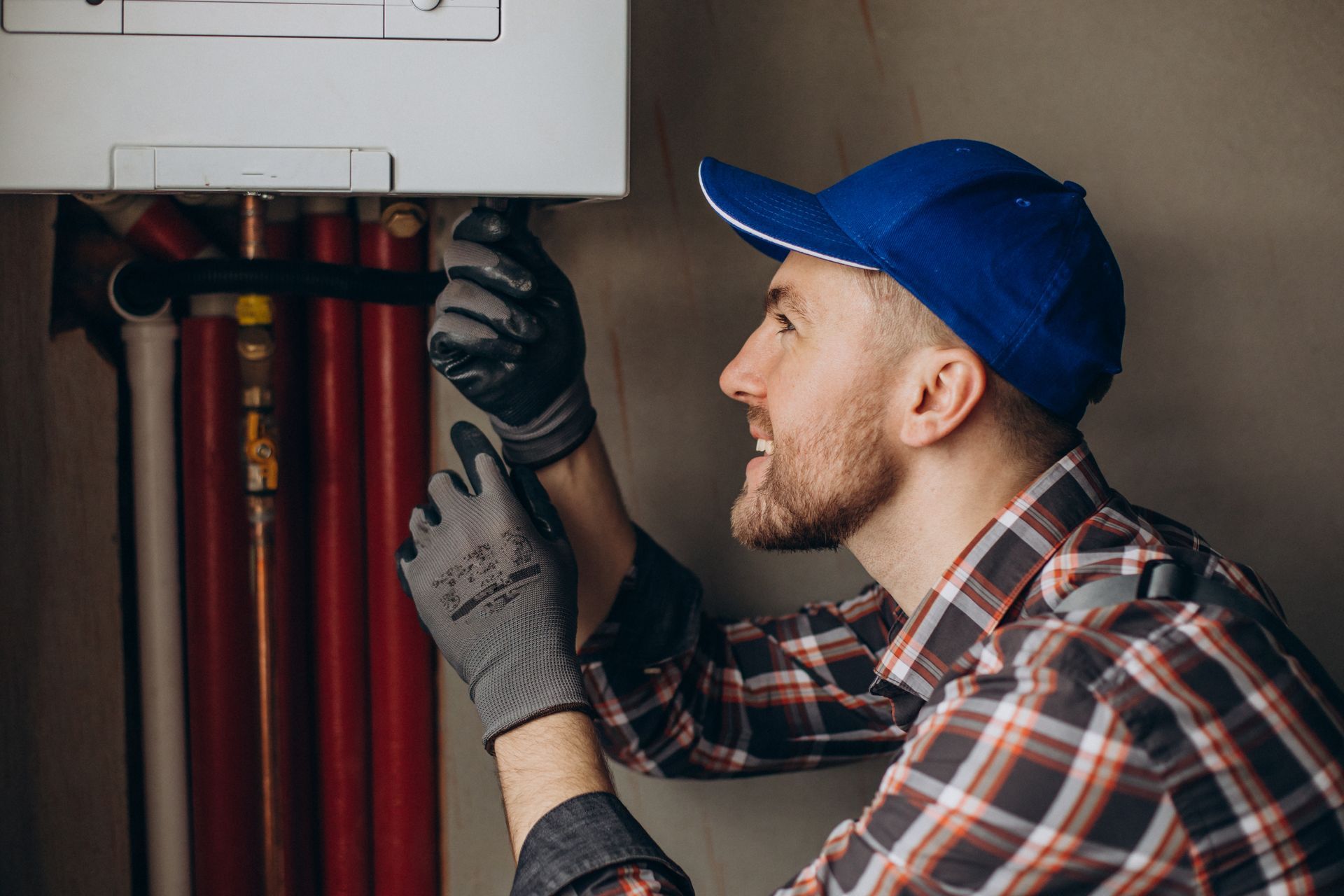
Technician in blue cap and gloves inspecting a wall-mounted unit with exposed pipes and wiring
By Salt River Air LLC • September 8, 2026
Booking your heating system check now prevents October breakdowns. Salt River Air LLC explains the cost of delaying your annual furnace maintenance.
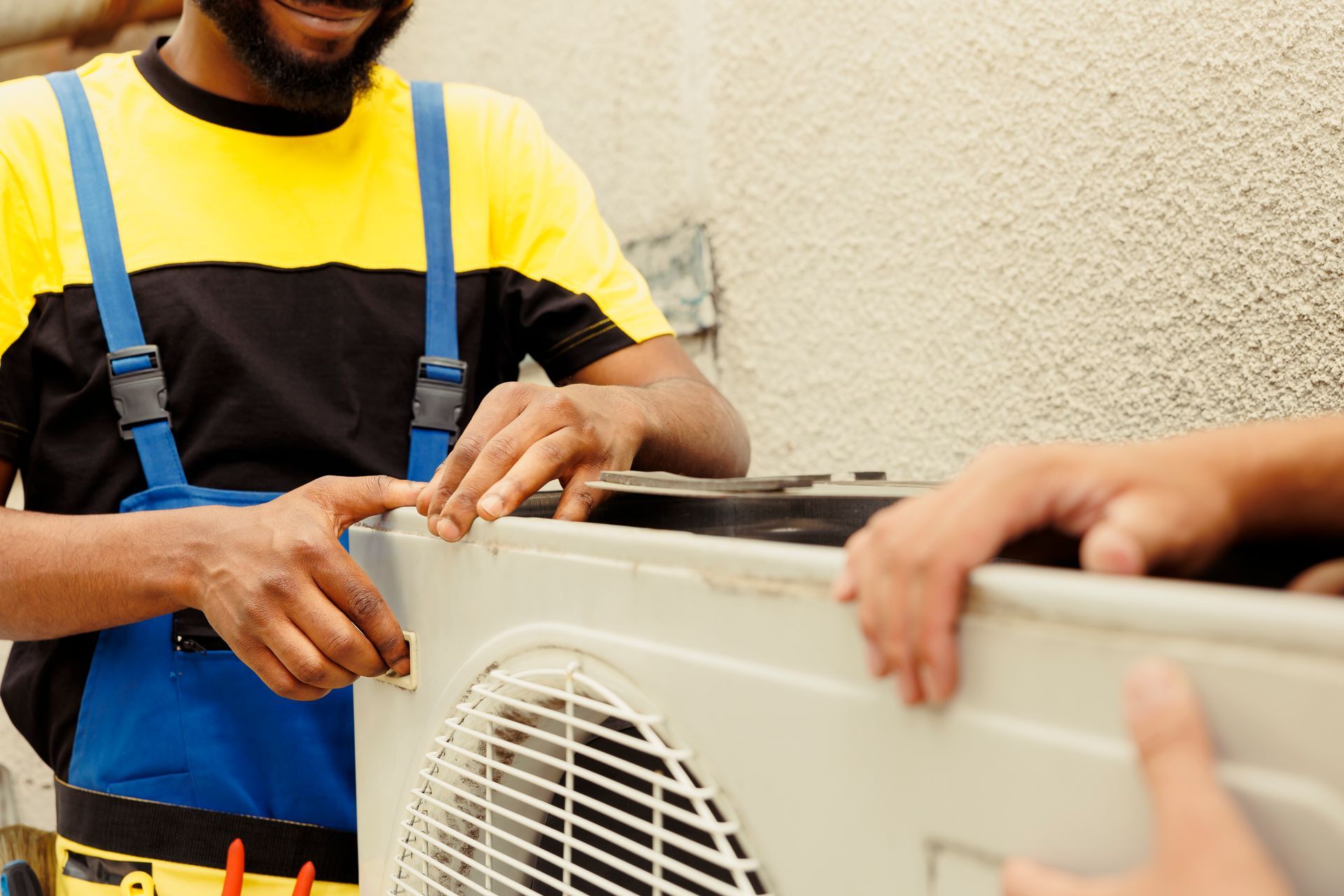
Technician in blue overalls repairing a white air conditioner unit outdoors
By Salt River Air LLC • September 2, 2026
Dust and debris block airflow and drive up bills. Learn how Salt River Air LLC performs a proper AC tune-up to protect your compressor from failure.
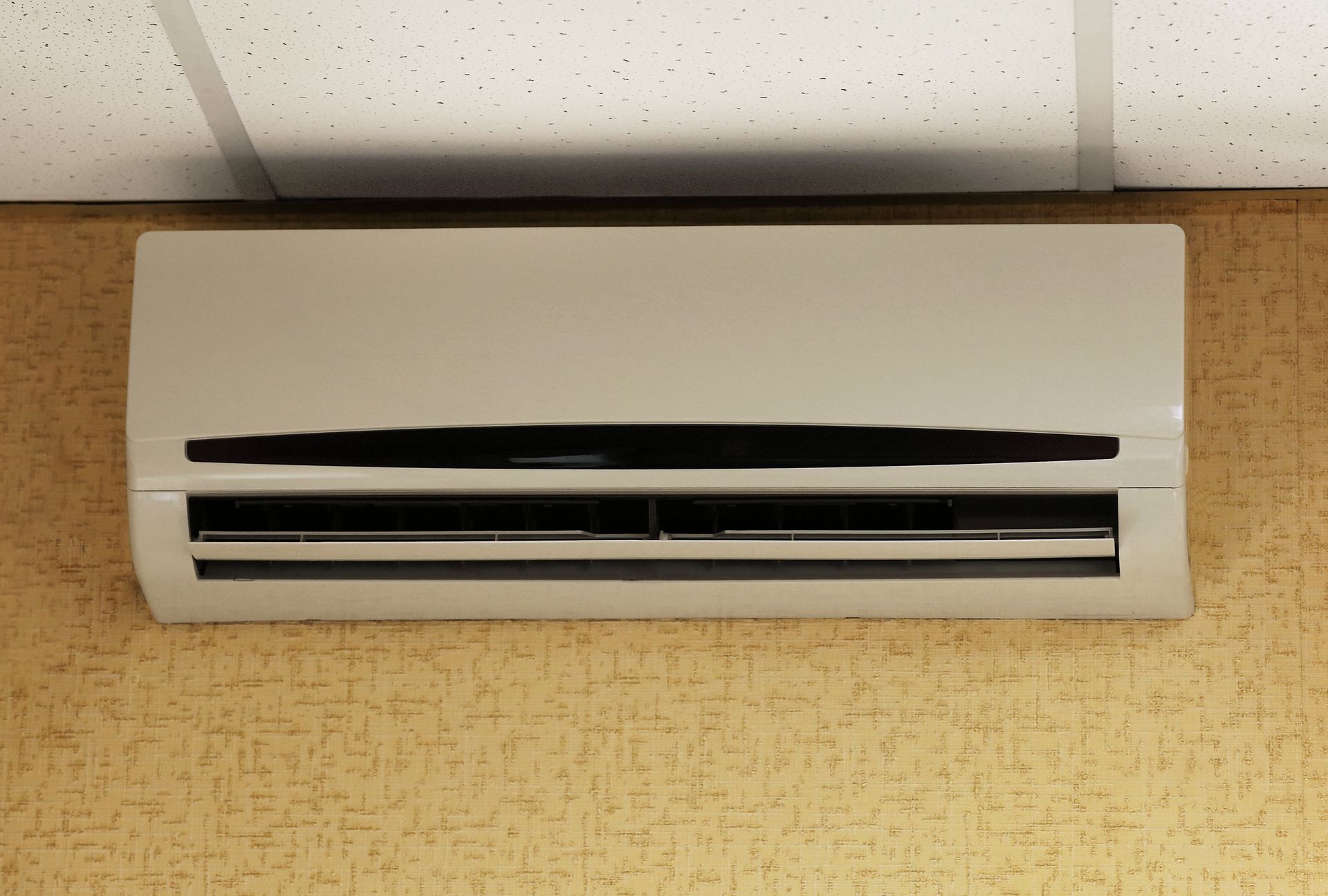
Wall-mounted white air conditioner on a beige wall beneath ceiling tiles.
By Salt River Air LLC • August 25, 2026
Will a mini-split actually lower your electric bill? Salt River Air LLC explains the real ROI and installation challenges for older East Valley homes.
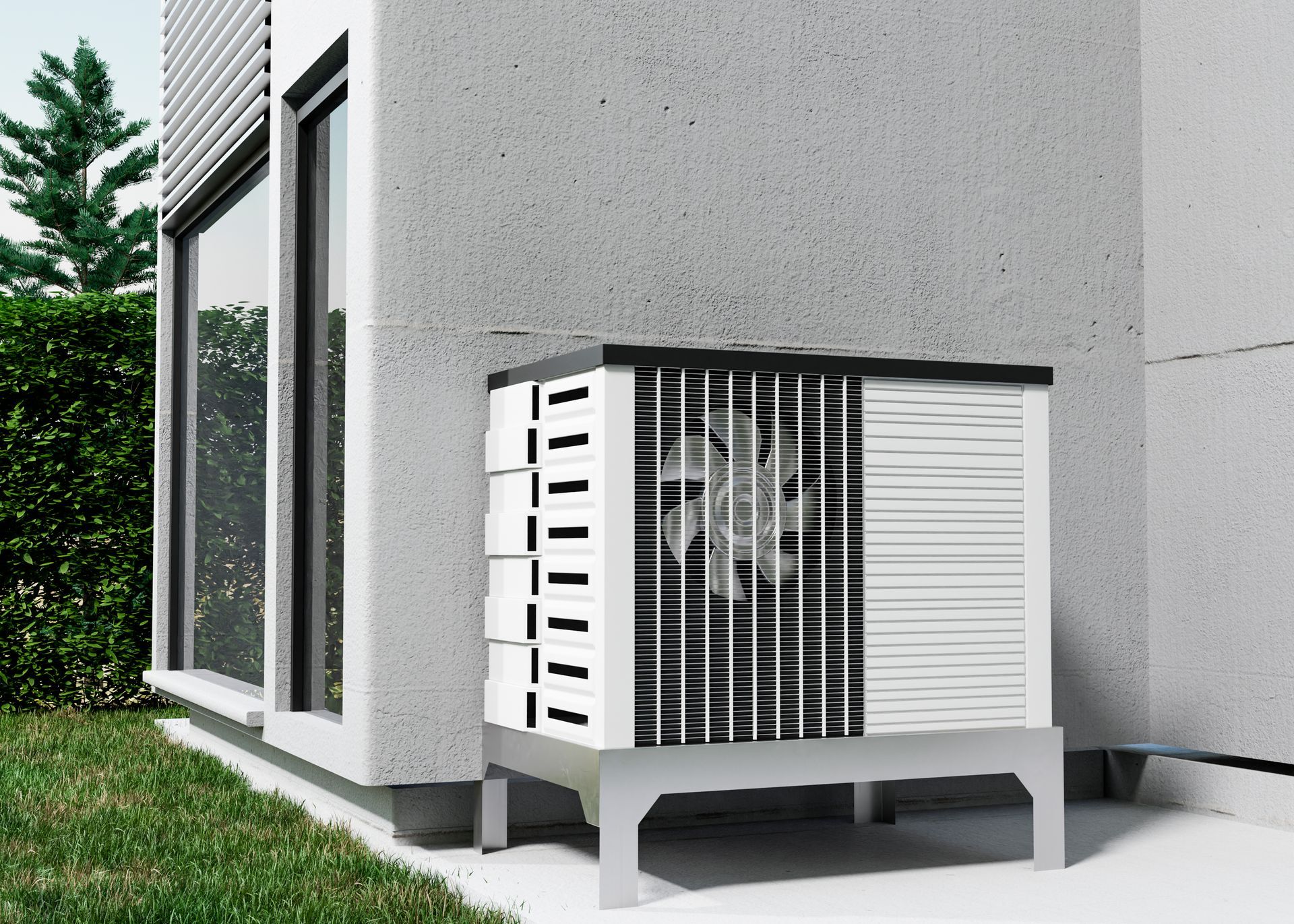
Outdoor HVAC unit beside a modern gray house wall with windows and grass.
By Salt River Air LLC • August 19, 2026
Upgrading your HVAC? Read this honest breakdown of heat pump installation costs, sizing calculations, and energy savings from Salt River Air LLC today.
Woman sitting on a rug in a living room, looking at her phone beside a couch and coffee table.
By Salt River Air LLC • August 11, 2026
Hosting for Labor Day? Stop dusty vents from ruining the party. Follow these trade-tested tips for better indoor air quality from Salt River Air LLC.
HVAC unit with gauges and hoses, yellow hard hat resting on top, against a stucco wall
By Salt River Air LLC • August 5, 2026
Late summer heat tests every air conditioner in the area relentlessly. You might notice the air blowing from your vents feeling weak or barely cool when the harsh afternoon sun hits the roof. The team at Salt River Air LLC sees this exact scenario play out every single summer. We know how frustrating it is to deal with a failing cooling system when you need that relief the most. Our goal is to help you understand why outdoor compressors fail and when you need professional AC repair to fix the root cause. Ignoring the early warning signs usually leads to a complete breakdown during the hottest part of the day. A quick response protects your equipment and keeps your family safe from the extreme seasonal temperatures. Let us walk through the most common reasons your system struggles late in the season. What We Cover: The Impact of Dirty Coils on Compressor Lifespan Electrical Stress During Peak Demand Hours Why Does My Air Conditioner Stop Cooling in the Late Afternoon? Why DIY Refrigerant Recharges Destroy Equipment Protecting Your Investment Before September The Impact of Dirty Coils on Compressor Lifespan The outdoor unit sits exposed to dust storms and yard debris all year near the Superstition Mountains. When the condenser coils get coated in dirt, the system cannot release heat properly into the outside air. The compressor has to run longer and harder to reach the temperature set on your thermostat. This constant mechanical strain overheats the internal motor and eventually leads to permanent failure. → A quick tip to remember: Washing the outside unit gently with a garden hose once a season prevents heavy dirt buildup from choking the system. Electrical Stress During Peak Demand Hours Late summer afternoons push the electrical grid to its absolute limits across the region. Your air conditioning unit requires a massive surge of electricity just to start the cooling cycle. If the electrical components like the capacitor or contactor are weak, the compressor struggles to turn on and draws excessive amperage. This electrical struggle creates excess heat that burns out the internal wiring over time. This is a pattern the team at Salt River Air LLC hears regularly when parts begin to wear out. ► Client Experience: Friendly service and very quick repair to get our heat back up and going. My service techs were Alberto and Tony. Last week we had the condenser in the air conditioner go out. 2 day turn around and we were back up and running. Julio diagnosed the issue effectively and the team came out to get it done. When ever we have called they have answered with great service! Fast and accurate electrical diagnostics keep small component failures from destroying the entire condensing unit. → From a professional standpoint: Replacing a cheap dual run capacitor today saves you from buying a thousand dollar compressor tomorrow. Why does my air conditioner stop cooling in the late afternoon? Your system might stop cooling late in the day because the compressor overheats and shuts itself down on a thermal overload safety switch. The unit absorbs the highest ambient temperatures right when your house demands the most cooling power. If the airflow is restricted by a dirty filter or the refrigerant charge is slightly off, the system simply cannot keep up with the heat load. It takes a trained eye to track down whether the issue is airflow, low refrigerant, or a failing electrical component. Why DIY Refrigerant Recharges Destroy Equipment Homeowners sometimes try to add freon themselves using cheap gauge kits bought online. Air conditioning systems operate on very specific pressure and temperature scales that require calibrated digital gauges to measure subcooling and superheat. Adding too much refrigerant sends raw liquid straight into the compressor valves and breaks them instantly. You end up needing a massive AC repair bill or a complete system replacement just to fix a minor initial issue. → A quick tip to remember: Never connect a refrigerant hose to your system without proper EPA certification and diagnostic tools. Protecting Your Investment Before September Fixing an overheating system early keeps you comfortable and extends the operating life of your equipment. A proper diagnostic check pinpoints exactly what is causing the strain so we can replace the faulty part right away. Call our dispatch team to get an expert technician out to your home today.
Gloved hands removing a dirty air conditioner filter for cleaning
By Salt River Air • July 29, 2026
Dirty air filters cause most emergency AC repairs in East Valley homes. Learn why filter changes matter and keep your HVAC running with Salt River Air.
Hands adjusting a white ceiling vent filter with a blue sleeve visible
By Salt River Air • July 21, 2026
Buying an older East Valley home? Discover HVAC warning signs and inspection tips to avoid costly surprises. Homebuyers’ guide by Salt River Air.
Green utility truck parked on a sunny street, with a ladder rack and large side lettering.
By Salt River Air • July 15, 2026
Don’t miss Salt River Air’s top HVAC summer promotions in Mesa, AZ! Act now for deep savings on repairs, installations & maintenance.