Don't Wait for a Cold Morning to Test Your Gas Heating System
Waiting for the first freezing morning in Fountain Hills to turn on your furnace is a risky gamble. The experts at Salt River Air LLC field frantic phone calls every fall from residents who wake up shivering because their heater refuses to ignite. When heating equipment sits dormant for months, dust settles on the burners and safety sensors begin to stick. Attempting to fire up a neglected system puts unnecessary strain on aging mechanical parts.
Taking action before the weather turns cold guarantees your family stays comfortable when the temperatures finally drop. Scheduling your heating system maintenance early prevents you from getting stuck on a long waiting list during the first cold snap. We break this process down into three specific action stages to help you prepare your property. Follow these steps now to secure reliable warmth for the upcoming winter.
What We Cover:
- Stage 1: Assess Your Heating Equipment Early
- Stage 2: Schedule Professional Preventative Care
- Stage 3: Protect the System Through Winter
- Frequently Asked Questions
- Secure Your Winter Comfort Today
Stage 1: Assess Your Heating Equipment Early
You need to know the baseline condition of your equipment before the cold weather actually arrives.
• Test Run: Turn your thermostat to heat and let the system run for fifteen minutes to confirm it actually ignites.
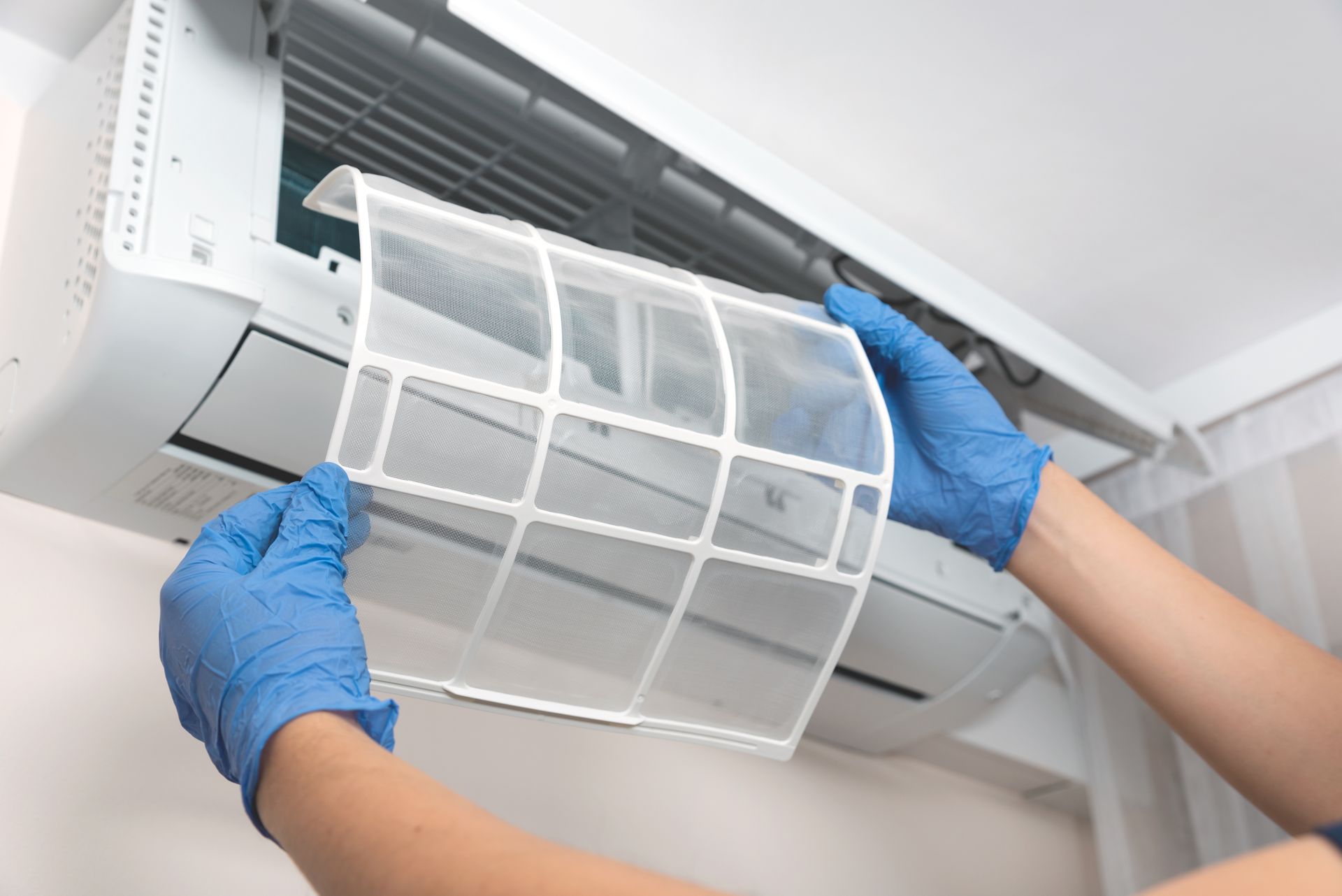
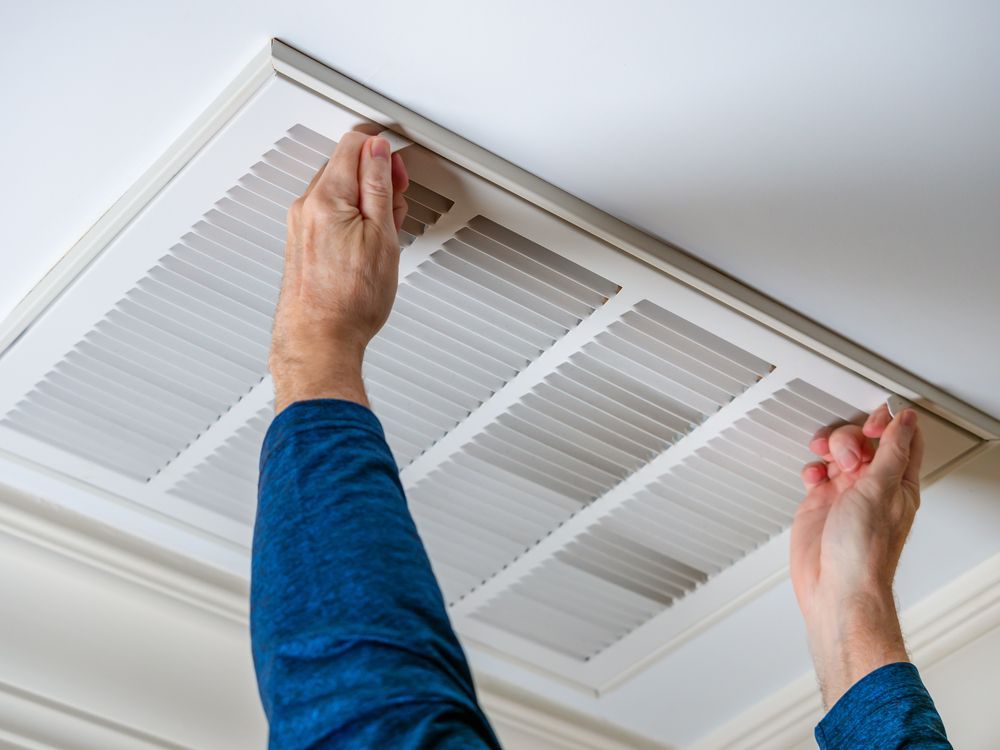
• Filter Check: Pull out the existing air filter and hold it up to a light to see if it is completely blocked with summer dust.
• Vent Inspection: Walk through every room to ensure furniture and heavy rugs are not blocking the floor or wall supply registers.
• Listen Closely: Pay attention to any rattling or squealing sounds when the blower motor first kicks on.
Stage 2: Schedule Professional Preventative Care
Getting a certified technician to evaluate the internal components is the only way to ensure safe operation.
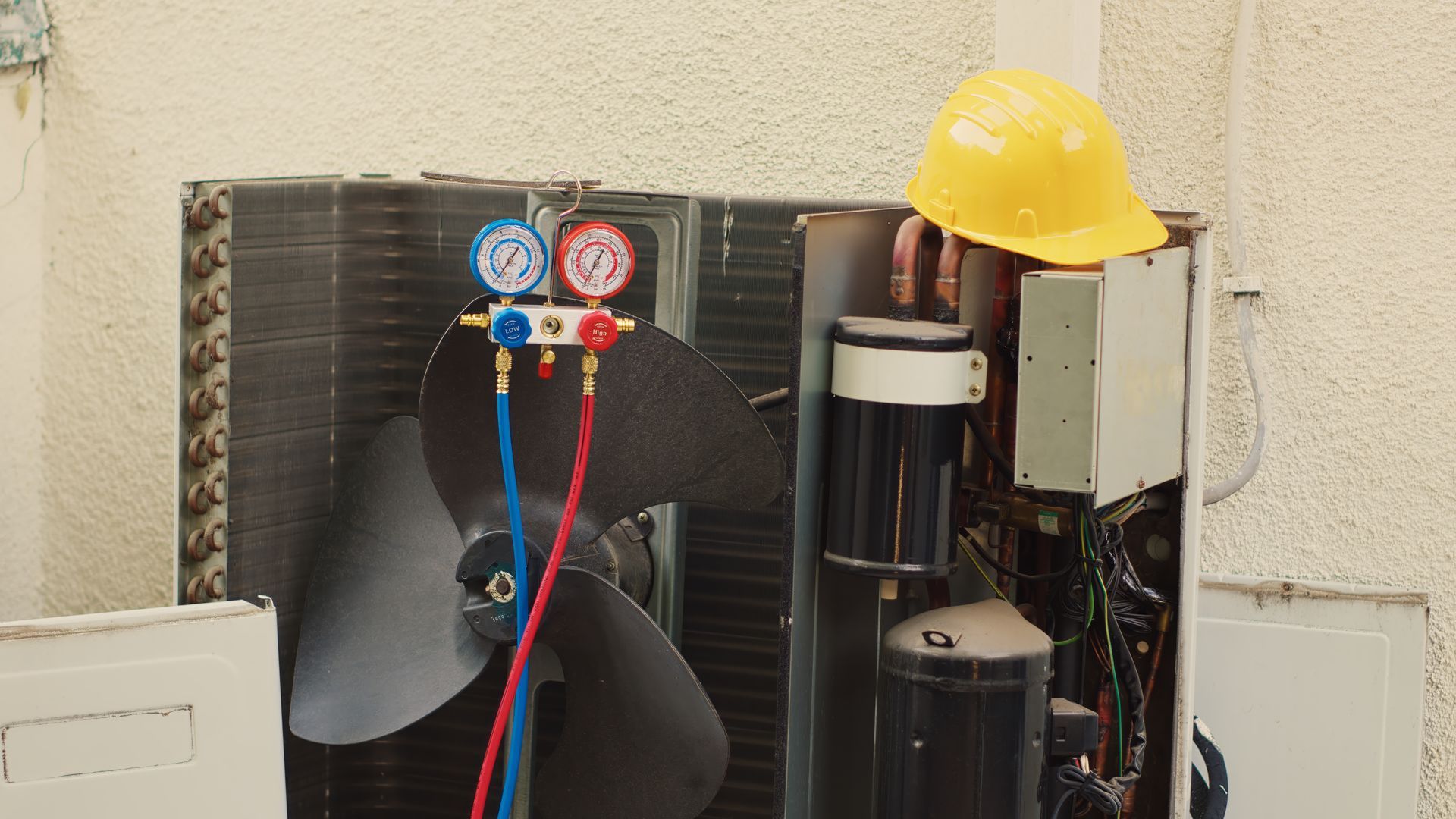
• Combustion Analysis: Have a professional test the gas pressure and burner flame to ensure the system is not producing excessive carbon monoxide.
• Sensor Cleaning: Request that the technician carefully clean the flame sensor so the unit does not short cycle during operation.
• Heat Exchanger Check: Ask for a visual camera inspection of the heat exchanger tubes to check for dangerous hairline cracks.
► Operating a gas furnace with a cracked heat exchanger pushes deadly carbon monoxide directly into your breathing air.
Stage 3: Protect the System Through Winter
Once the system is tuned up, you must maintain good habits to keep it running smoothly all season.
• Monthly Filters: Stock up on pleated filters and set a calendar reminder to swap them out on the first day of every month.
• Carbon Monoxide Alarms: Install fresh batteries in all your hallway carbon monoxide detectors and press the test button.
• Thermostat Programming: Set a consistent heating schedule so the furnace does not have to recover from deep temperature drops every morning.
Frequently Asked Questions
What happens during a standard heating system inspection?
A professional technician opens the cabinet to test all the electrical safety switches and measure the amperage draw of the blower motor. We also inspect the ignition system, clean out the burner assembly, and verify that the gas valve is regulating pressure correctly. This detailed testing prevents minor wear and tear from turning into a major mechanical failure.
Why does my furnace smell like burning dust when I turn it on?
Dust settles heavily on the internal heat exchanger while the system sits unused during the long summer months. When you turn the heat on for the first time, this layer of dust literally burns off the hot metal surface. The smell is completely normal and should fade away after the system runs for about twenty minutes.
Can a dirty filter cause my furnace to shut down?
Yes, a clogged filter starves the furnace of return air and traps extreme heat inside the metal cabinet. The high limit safety switch will automatically cut power to the gas valve to prevent the unit from catching fire. Replacing the filter often restores proper airflow and allows the system to operate normally again.
Secure Your Winter Comfort Today
Protecting your heating equipment now saves you from expensive emergency service calls later in the season. A quick test run and a professional tune up provide absolute peace of mind for your family. Call our dispatch team today to lock in your appointment before the cold weather hits.
Share This Blog