The Real Truth About Ductless Mini-Split Savings in Older Homes

Salt River Air LLC • August 25, 2026

Everyone talks about how efficient modern cooling equipment is, but you need to know how it actually performs in the real world. Adding localized cooling to an older house sounds great until the electric bill arrives and the results fall short of expectations. The experts at Salt River Air LLC want to set the record straight on how these compact units operate on a daily basis. We are looking at the genuine reality of ductless mini-splits and what they deliver for your home.


Home improvement shows often make these installations look like a magic cure for every temperature problem in a building. The truth involves careful planning, precise refrigerant charges, and understanding how air moves through your specific floor plan. When installed in the right application, these units provide incredible comfort, but they are not a universal fix for a poorly insulated house. Let us examine what you can actually expect when you mount one of these systems on your wall.


In This Article:


  1. The Reality of Installation Costs Versus Long Term Savings
  2. Overestimating the Cooling Power of a Single Head Unit
  3. How Insulation Impacts Your Daily Electric Bill
  4. Frequently Asked Questions
  5. Taking the Next Step with Confidence


The Reality of Installation Costs Versus Long Term Savings


Many homeowners assume that avoiding ductwork automatically makes the installation dirt cheap compared to a central system. The truth is that the advanced inverter technology inside a mini split is highly sophisticated and carries a premium price tag upfront. You save money over the next ten years because the system ramps down its power usage instead of clicking on and off at full blast like older equipment. The return on investment is absolutely real, but it requires patience and a proper initial setup by a certified technician.


→ From a professional standpoint: The highest efficiency ratings only matter if the technicians flare the copper lines perfectly to prevent slow refrigerant leaks.


Overestimating the Cooling Power of a Single Head Unit


A common mistake is thinking one wall mounted unit in the hallway will comfortably cool three adjacent bedrooms. Air simply does not turn corners well, and the room with the actual unit will end up freezing while the back bedrooms stay stubbornly hot. Ductless systems are designed for zoned comfort, meaning you often need multiple indoor heads connected to one outdoor condenser to achieve uniform temperatures throughout the house. We always map out the airflow path and calculate the heat load before drilling any holes in your exterior walls.


→ A quick tip to remember: Leave interior doors open if you want the conditioned air to mix into the adjoining hallway spaces.


How Insulation Impacts Your Daily Electric Bill


Historic homes in Mesa often lack modern weatherproofing in the exterior walls and attic spaces. A mini split will run constantly trying to cool a room that is actively absorbing radiant heat from the afternoon sun through single pane windows. If your walls feel hot to the touch, the system has to work overtime, which eats directly into your anticipated energy savings. We always recommend beefing up your attic insulation and sealing drafts to help the new equipment hit its peak performance numbers.


→ A quick tip to remember: Upgrading your window treatments blocks out solar heat and takes a massive strain off your new cooling equipment.


Frequently Asked Questions


How long do ductless mini-splits last?


A well maintained system typically lasts between twelve and fifteen years in a demanding local climate. The variable speed compressors experience less mechanical wear and tear than traditional single stage units because they avoid hard starts. Keeping the filters clean and scheduling annual checkups is the only way to reliably hit that fifteen year mark.


Can I run a mini-split all day without wasting electricity?


Yes, these units are specifically designed to run continuously at a very low speed to maintain a steady ambient temperature. Turning them completely off when you leave the house forces them to work at maximum capacity to cool the hot room back down later. The inverter technology actually uses less total power by cruising at a low speed all afternoon.


Do ductless AC units require routine maintenance?


Absolutely. The indoor units have fine mesh filters that need to be washed in the sink every few weeks to maintain proper airflow across the coil. Our technicians also need to flush the condensate drain lines annually because algae builds up quickly in the internal drip pan and causes water leaks.


Taking the Next Step with Confidence


Knowing the true capabilities of a zoned system helps you make a smart investment for your property. When installed correctly in the right application, these units provide unmatched quiet comfort and serious energy reduction. Contact our team to see if a ductless design is the right fit for your specific floor plan.


Share This Blog

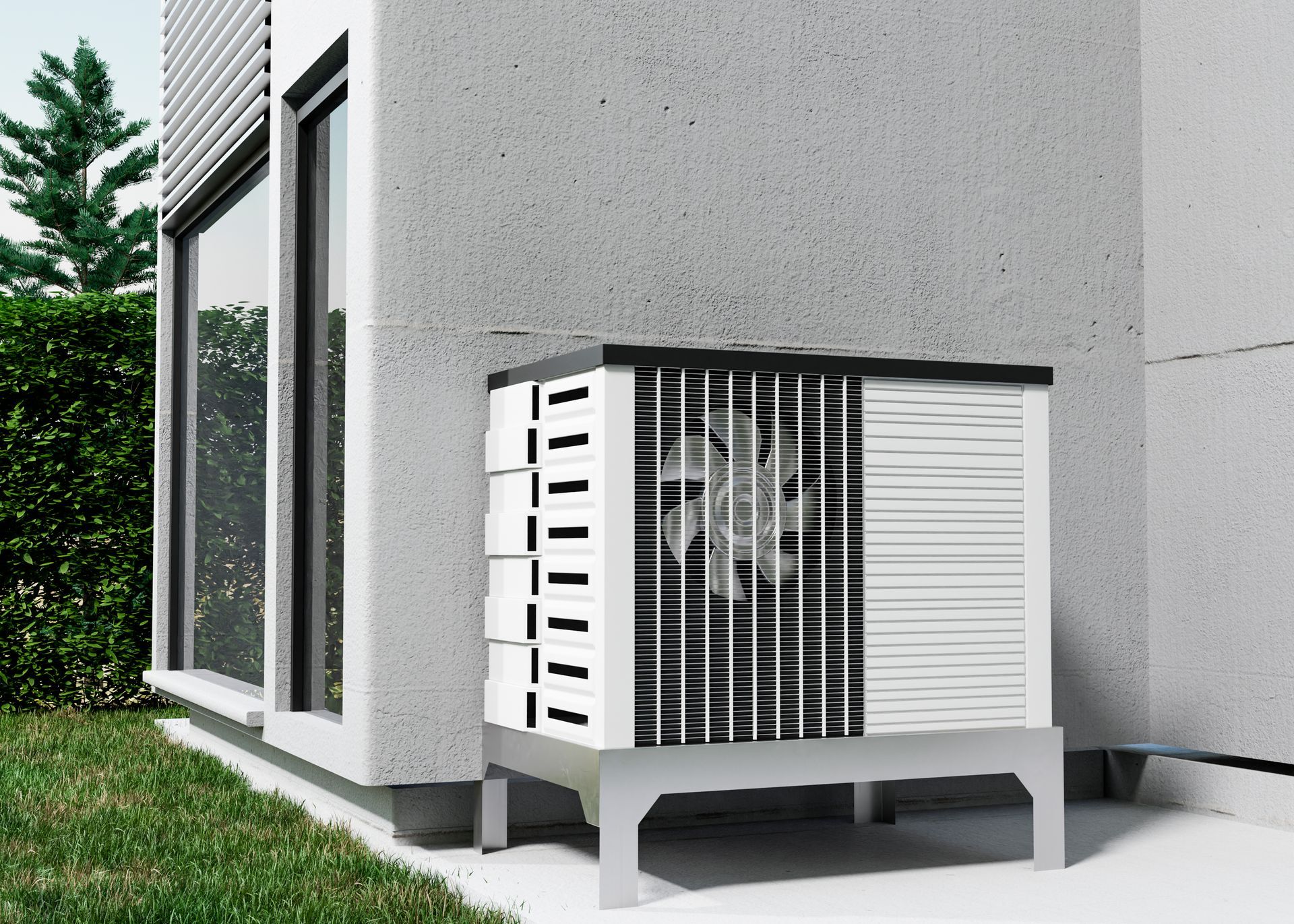
Outdoor HVAC unit beside a modern gray house wall with windows and grass.
By Salt River Air LLC August 19, 2026
Upgrading your HVAC? Read this honest breakdown of heat pump installation costs, sizing calculations, and energy savings from Salt River Air LLC today.
Woman sitting on a rug in a living room, looking at her phone beside a couch and coffee table.
By Salt River Air LLC August 11, 2026
Hosting for Labor Day? Stop dusty vents from ruining the party. Follow these trade-tested tips for better indoor air quality from Salt River Air LLC.
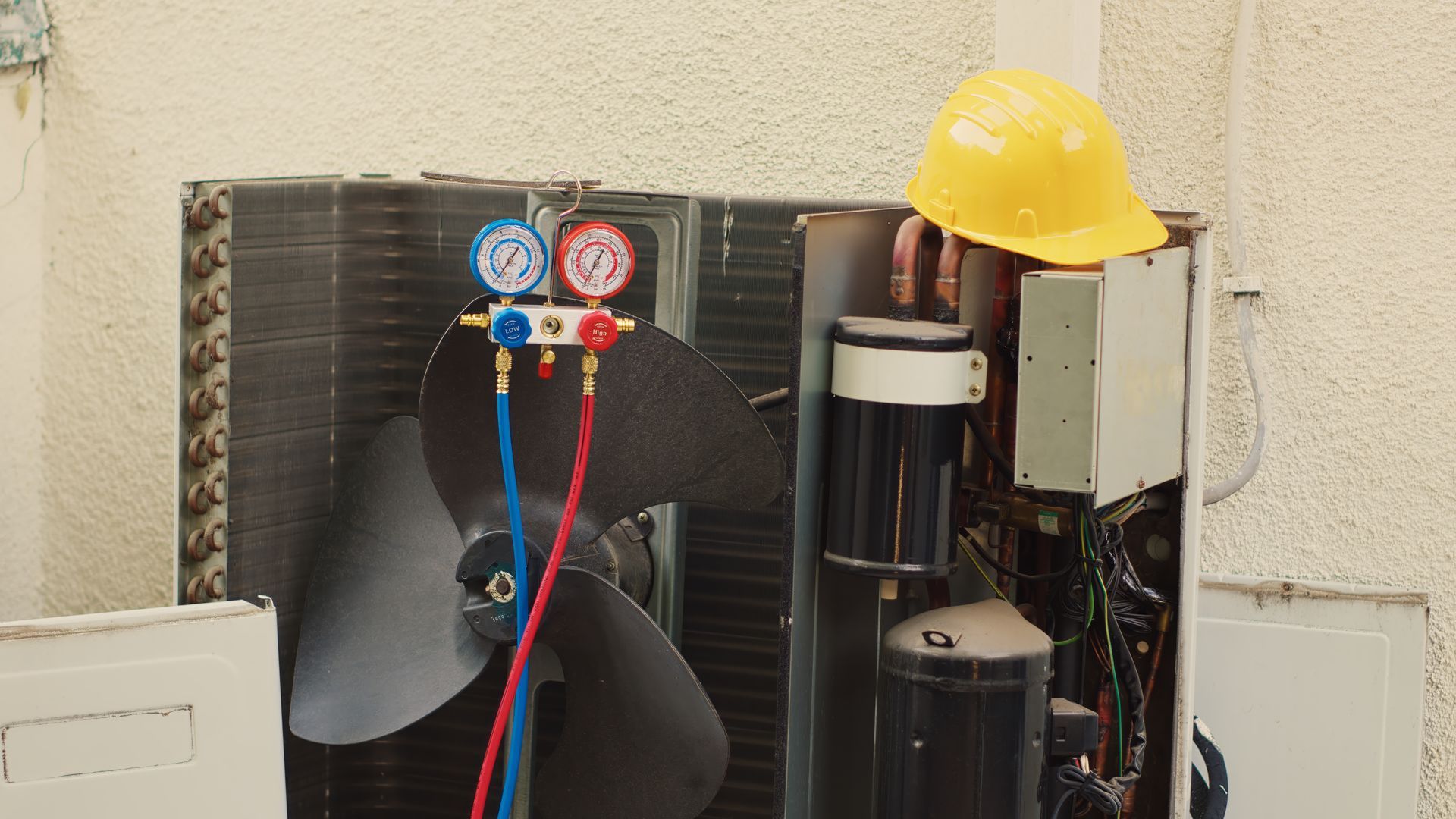
HVAC unit with gauges and hoses, yellow hard hat resting on top, against a stucco wall
By Salt River Air LLC August 5, 2026
Late summer heat tests every air conditioner in the area relentlessly. You might notice the air blowing from your vents feeling weak or barely cool when the harsh afternoon sun hits the roof. The team at Salt River Air LLC sees this exact scenario play out every single summer. We know how frustrating it is to deal with a failing cooling system when you need that relief the most. Our goal is to help you understand why outdoor compressors fail and when you need professional AC repair to fix the root cause. Ignoring the early warning signs usually leads to a complete breakdown during the hottest part of the day. A quick response protects your equipment and keeps your family safe from the extreme seasonal temperatures. Let us walk through the most common reasons your system struggles late in the season. What We Cover: The Impact of Dirty Coils on Compressor Lifespan Electrical Stress During Peak Demand Hours Why Does My Air Conditioner Stop Cooling in the Late Afternoon? Why DIY Refrigerant Recharges Destroy Equipment Protecting Your Investment Before September The Impact of Dirty Coils on Compressor Lifespan The outdoor unit sits exposed to dust storms and yard debris all year near the Superstition Mountains. When the condenser coils get coated in dirt, the system cannot release heat properly into the outside air. The compressor has to run longer and harder to reach the temperature set on your thermostat. This constant mechanical strain overheats the internal motor and eventually leads to permanent failure. → A quick tip to remember: Washing the outside unit gently with a garden hose once a season prevents heavy dirt buildup from choking the system. Electrical Stress During Peak Demand Hours Late summer afternoons push the electrical grid to its absolute limits across the region. Your air conditioning unit requires a massive surge of electricity just to start the cooling cycle. If the electrical components like the capacitor or contactor are weak, the compressor struggles to turn on and draws excessive amperage. This electrical struggle creates excess heat that burns out the internal wiring over time. This is a pattern the team at Salt River Air LLC hears regularly when parts begin to wear out. ► Client Experience: Friendly service and very quick repair to get our heat back up and going. My service techs were Alberto and Tony. Last week we had the condenser in the air conditioner go out. 2 day turn around and we were back up and running. Julio diagnosed the issue effectively and the team came out to get it done. When ever we have called they have answered with great service! Fast and accurate electrical diagnostics keep small component failures from destroying the entire condensing unit. → From a professional standpoint: Replacing a cheap dual run capacitor today saves you from buying a thousand dollar compressor tomorrow. Why does my air conditioner stop cooling in the late afternoon? Your system might stop cooling late in the day because the compressor overheats and shuts itself down on a thermal overload safety switch. The unit absorbs the highest ambient temperatures right when your house demands the most cooling power. If the airflow is restricted by a dirty filter or the refrigerant charge is slightly off, the system simply cannot keep up with the heat load. It takes a trained eye to track down whether the issue is airflow, low refrigerant, or a failing electrical component. Why DIY Refrigerant Recharges Destroy Equipment Homeowners sometimes try to add freon themselves using cheap gauge kits bought online. Air conditioning systems operate on very specific pressure and temperature scales that require calibrated digital gauges to measure subcooling and superheat. Adding too much refrigerant sends raw liquid straight into the compressor valves and breaks them instantly. You end up needing a massive AC repair bill or a complete system replacement just to fix a minor initial issue. → A quick tip to remember: Never connect a refrigerant hose to your system without proper EPA certification and diagnostic tools. Protecting Your Investment Before September Fixing an overheating system early keeps you comfortable and extends the operating life of your equipment. A proper diagnostic check pinpoints exactly what is causing the strain so we can replace the faulty part right away. Call our dispatch team to get an expert technician out to your home today.
Gloved hands removing a dirty air conditioner filter for cleaning
By Salt River Air July 29, 2026
Dirty air filters cause most emergency AC repairs in East Valley homes. Learn why filter changes matter and keep your HVAC running with Salt River Air.
Hands adjusting a white ceiling vent filter with a blue sleeve visible
By Salt River Air July 21, 2026
Buying an older East Valley home? Discover HVAC warning signs and inspection tips to avoid costly surprises. Homebuyers’ guide by Salt River Air.
Green utility truck parked on a sunny street, with a ladder rack and large side lettering.
By Salt River Air July 15, 2026
Don’t miss Salt River Air’s top HVAC summer promotions in Mesa, AZ! Act now for deep savings on repairs, installations & maintenance.
Two technicians in blue uniforms inspect an outdoor air conditioning unit with tools
By Salt River Air July 12, 2026
Compare Salt River Air's Silver, Gold, and Platinum HVAC maintenance plans for Mesa, AZ and East Valley homes. Find the best fit for your needs today!
Two outdoor air conditioning units beside a house wall, surrounded by yellow flowers and shrubs.
By Salt River Air July 7, 2026
Wondering if heat pumps work for Arizona summers? Explore cost-saving and energy benefits for East Valley homes with Salt River Air experts.
Person lounging on a gray couch in a bright living room with a wall-mounted air conditioner and plants.
By Salt River Air June 28, 2026
Uncover five hidden sources of indoor air pollution in East Valley homes and see how a professional HVAC system can improve air quality and comfort.
White wall-mounted air conditioner under a ceiling, with a gray shadow above it.
By Salt River Air June 23, 2026
Strange AC noises in Mesa? Salt River Air techs explain what common sounds mean and how to keep your system running smoothly this summer.