Trade-Tested Ways to Clear House Dust Before a Labor Day Cookout
Hosting friends and family for a holiday weekend means getting your house in top shape before the doorbell rings. You do not want guests sneezing or noticing dust floating in the sunlight through the living room windows. The team at Salt River Air LLC wants your home to feel fresh and inviting for every gathering. We put together a few trade tested indoor air quality solutions to help you clear the air before the big day.
Taking a proactive approach to your home ventilation stops dust from settling on your clean counters and furniture. A few simple adjustments to your heating and cooling system will dramatically improve the air you breathe indoors. These maintenance steps take very little time but deliver massive results for your overall comfort. Follow these specific tips to guarantee a cleaner environment for your upcoming cookout.
In This Article:
- Tip 1: Check and Upgrade Your Filter Setup
- Tip 2: Clean the Supply Registers and Grilles
- Tip 3: Control Humidity to Stop Dust Clumping
- Tip 4: Schedule Professional Duct Services
- Frequently Asked Questions
- Breathe Easier This Holiday
Tip 1: Check and Upgrade Your Filter Setup
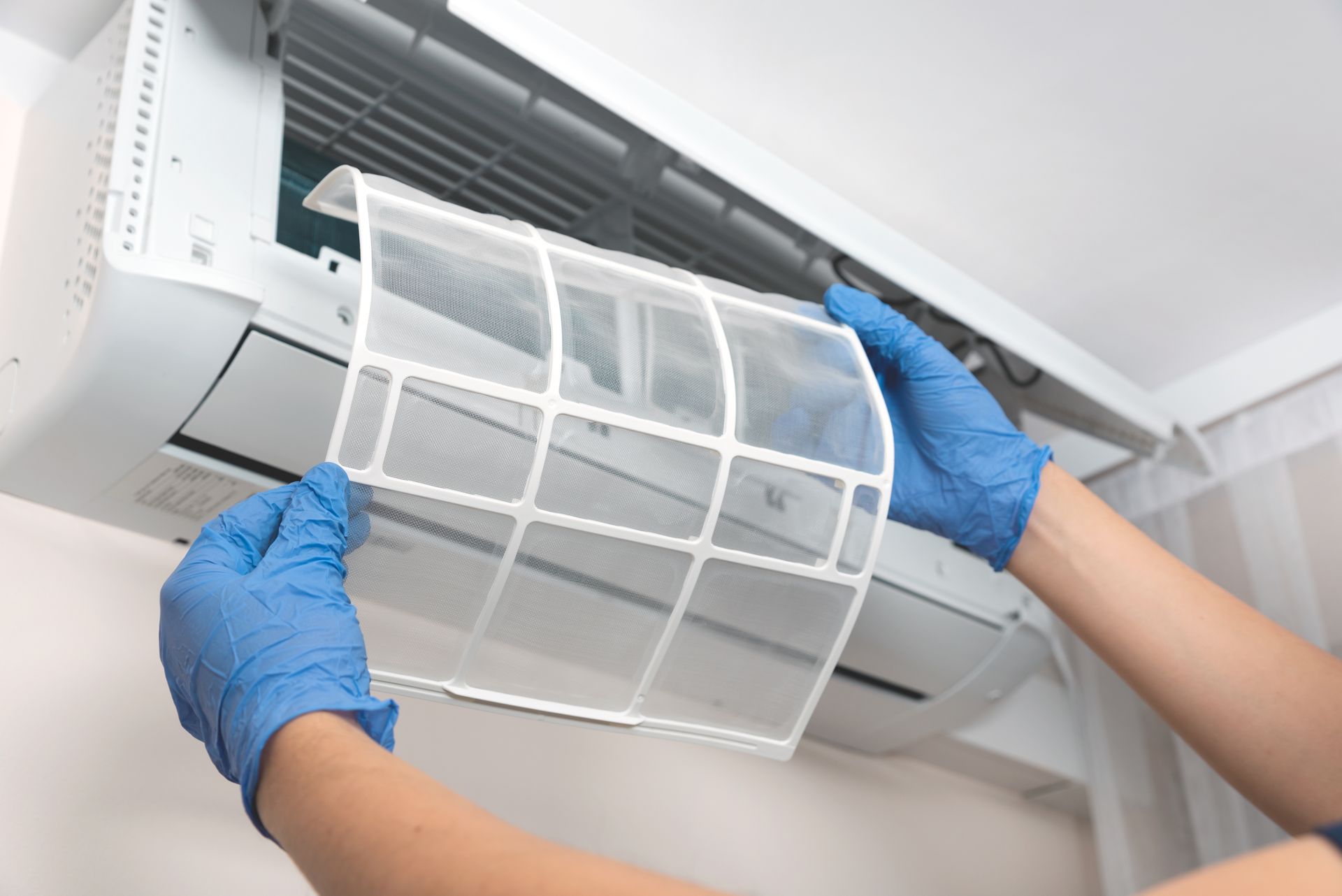
A standard fiberglass filter only catches large debris like pet hair and lint. Upgrading your filter catches the fine particulate matter that settles on your furniture and causes allergy flare ups for your visitors.
• Filter Density: Look for a pleated design that provides more surface area to trap microscopic dust particles.
• Replacement Schedule: Swap out the filter every single month if you have multiple pets or live near dirt roads.
• Airflow Balance: Make sure the new filter is not so thick that it chokes the blower motor and restricts cooling capacity.
Tip 2: Clean the Supply Registers and Grilles
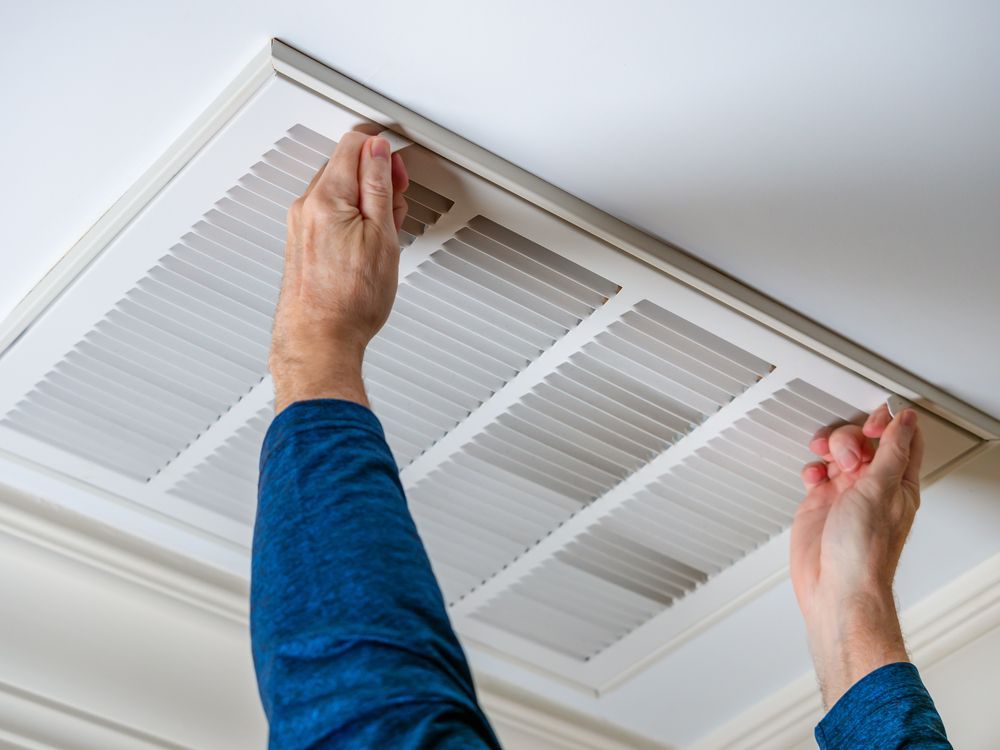
Dust naturally gathers on the metal fins of your supply vents when condensation forms during regular cooling cycles. Wiping these down stops the blower from pushing that accumulated dirt directly onto your dinner table.
• Safe Cleaning: Use a damp microfiber cloth to wipe the metal slats without scratching the painted ceiling finish.
• Vacuum Assist: Use a brush attachment to pull loose debris out of the sheet metal duct boot just behind the grille.
• Visual Inspection: Look for dark streaks around the outside of the vent which often point to a ductwork leak in the attic.
Tip 3: Control Humidity to Stop Dust Clumping
Homes across San Tan Valley deal with muggy conditions during late summer moisture spikes. High indoor humidity makes dust heavy and sticky so it clings to your fan blades and baseboards instead of getting sucked into the return vent.
• Thermostat Settings: Keep the fan set to auto instead of on so moisture has time to drain off the indoor evaporator coil.
• Exhaust Fans: Run the bathroom vents during showers to pull heavy moisture out of the living space quickly.
• Standalone Dehumidifiers: Use a portable unit in problem areas to keep the ambient humidity below fifty percent.
Tip 4: Schedule Professional Duct Services
If you constantly wipe down counters and see a new layer of dust the next morning, your hidden ductwork is likely holding years of dirt. A professional cleaning removes the source of the problem so your air filters can actually do their job.
• Equipment Standard: True professionals use high powered negative air machines attached directly to the main system plenum.
• Agitation Tools: Specialized whips knock dirt loose from the flexible duct walls without tearing the fragile inner plastic liner.
• System Verification: A clean system improves airflow and helps your air conditioner run shorter cycles to save energy.
Frequently Asked Questions
How do I know if my air ducts need cleaning?
You will usually notice a lingering musty smell when the air conditioning turns on. Another clear sign is visible dirt blowing out of the vents and sticking to the ceiling nearby. Our technicians can run a quick camera inspection to show you exactly how much debris has built up inside the branch lines.
What is a MERV rating for AC filters?
MERV stands for Minimum Efficiency Reporting Value and it measures how effectively a filter traps small particles. A higher number means better filtration but it also makes the blower motor work harder to push air through the material. We typically recommend a rating between eight and eleven for standard residential HVAC systems.
Does a UV light system actually kill airborne mold?
Yes, ultraviolet light neutralizes the DNA of mold spores and bacteria as they pass through the ductwork. We mount these lights directly over the indoor coil where moisture naturally accumulates during operation. This keeps the coil clean and stops biological growth from spreading into your breathing air.
Breathe Easier This Holiday
Taking a few simple steps now ensures your guests enjoy a comfortable and clean environment. Better filtration and clean vents make a massive difference in how your house smells and feels. Reach out to our office to book a duct inspection before your guests arrive.
Share This Blog