Signs Your Ductwork Needs Attention Before Arizona’s Hottest Months Hit

Salt River Air • June 13, 2026

With the East Valley preparing for another wave of scorching summer temperatures, homeowners should ensure their HVAC systems are ready for peak performance. While regular AC maintenance is critical, neglected ductwork can quickly become the silent culprit behind inefficient cooling, skyrocketing energy bills, and discomfort. 


Understanding the warning signs that your ductwork needs attention is essential for keeping your home safe, comfortable, and energy-efficient all summer long.


Why Ductwork Health Matters for East Valley Homes


Ductwork is the hidden superhighway that delivers cool, refreshing air throughout your home. In the extreme Arizona heat, even minor duct problems can snowball into larger issues, including uneven cooling, poor indoor air quality, and added strain on your air conditioner. Properties in neighborhoods like Apache Junction, Queen Creek, and Gold Canyon often experience duct degradation faster due to dust, debris, and intense climate changes.


Common Signs Your Ductwork Needs Inspection or Repair


Identifying ductwork issues before the hottest months arrive can save Mesa-area residents costs on repairs and increase indoor comfort significantly. Watch for these signs:


  • Uneven Temperatures: Hot and cold spots in rooms signal that your cooled air isn’t being distributed properly, which could be due to disconnected or leaking ducts.


  • Spike in Energy Bills: When ducts leak or are poorly sealed, cooled air escapes before reaching your living areas. This forces your AC to work harder and leads to higher monthly energy bills.


  • Poor Airflow: If you notice weak airflow from your vents, blockages, or collapsed duct sections could be to blame.


  • Excess Dust or Worsening Allergies: Leaky ducts can pull in dust, pollutants, and allergens, reducing your indoor air quality and aggravating allergy symptoms.


  • Noisy HVAC Operation: Whistling, rattling, or banging sounds might indicate loose connections or physical duct damage needing professional attention.


What Causes Duct Problems in the East Valley?


Homeowners from Tempe to Fountain Hills know firsthand the toll that the Arizona climate can take on their homes. Ductwork in attics or crawl spaces is especially vulnerable to:


  • Extreme temperature fluctuations causing expansion and contraction
  • Dust accumulation from nearby desert landscapes
  • Rodent or pest intrusions that can damage insulation or create openings
  • Age-related wear and tear, especially in older Paradise Valley and Scottsdale homes.


How Often Should Ductwork Be Inspected in Arizona?


A trending question among homeowners is how often ductwork should be inspected or cleaned. A good rule of thumb is to have your ducts professionally inspected every 2 to 3 years, and more frequently if you notice any of the warning signs above. Personalized maintenance plans, available from trusted HVAC providers like Salt River Air, offer routine duct inspections as part of their comprehensive seasonal checkups.


Benefits of Timely Ductwork Maintenance Before Summer


Scheduling a ductwork evaluation in June does more than prepare your home for another blazing Arizona summer:


  • Lower Cooling Costs: Sealing and insulating ducts can cut up to 20 percent off your energy bills.
  • Better Comfort: Enjoy consistent temperatures in every room, from Chandler to Sun Lakes.
  • Healthier Air: Reduce dust, allergens, and potential mold growth circulating indoors.
  • Longer AC Lifespan: Reduce system strain, helping your AC perform optimally through the hottest months.


Professional Solutions from Your Local HVAC Experts


Salt River Air’s team of certified, background-checked technicians understands the unique HVAC challenges. Our comprehensive ductwork services include inspections, cleaning, repair, and full replacements. For even more value, consider enrolling in one of our Silver, Gold, or Platinum maintenance plans—each includes key benefits like priority service, regular safety checks, and repair discounts.


Get Ready for Arizona’s Peak Heat—Request Your Ductwork Inspection Today


Don’t wait for the East Valley’s rising summer temperatures to push your system to the limit. Protect your comfort, savings, and family health by scheduling a ductwork inspection or tune-up with Salt River Air. Contact us today to book your service or learn more about our flexible maintenance plans, and let our local experts keep your home cool and comfortable all season long.

Share This Blog

Hands using a wall-mounted touchscreen thermostat in a modern kitchen.
By Salt River Air LLC • September 22, 2026
Wiring a Wi-Fi thermostat incorrectly can short out your HVAC board. Learn the safest installation methods from the pros at Salt River Air LLC today.
Man installing a ceiling vent cover in a bright kitchen
By Salt River Air LLC • September 16, 2026
Is one room always too hot? Leaky or crushed air ducts waste energy. Discover how Salt River Air LLC diagnoses and replaces failing HVAC duct systems.
Technician in blue cap and gloves inspecting a wall-mounted unit with exposed pipes and wiring
By Salt River Air LLC • September 8, 2026
Booking your heating system check now prevents October breakdowns. Salt River Air LLC explains the cost of delaying your annual furnace maintenance.
Technician in blue overalls repairing a white air conditioner unit outdoors
By Salt River Air LLC • September 2, 2026
Dust and debris block airflow and drive up bills. Learn how Salt River Air LLC performs a proper AC tune-up to protect your compressor from failure.
Wall-mounted white air conditioner on a beige wall beneath ceiling tiles.
By Salt River Air LLC • August 25, 2026
Will a mini-split actually lower your electric bill? Salt River Air LLC explains the real ROI and installation challenges for older East Valley homes.
Outdoor HVAC unit beside a modern gray house wall with windows and grass.
By Salt River Air LLC • August 19, 2026
Upgrading your HVAC? Read this honest breakdown of heat pump installation costs, sizing calculations, and energy savings from Salt River Air LLC today.
Woman sitting on a rug in a living room, looking at her phone beside a couch and coffee table.
By Salt River Air LLC • August 11, 2026
Hosting for Labor Day? Stop dusty vents from ruining the party. Follow these trade-tested tips for better indoor air quality from Salt River Air LLC.
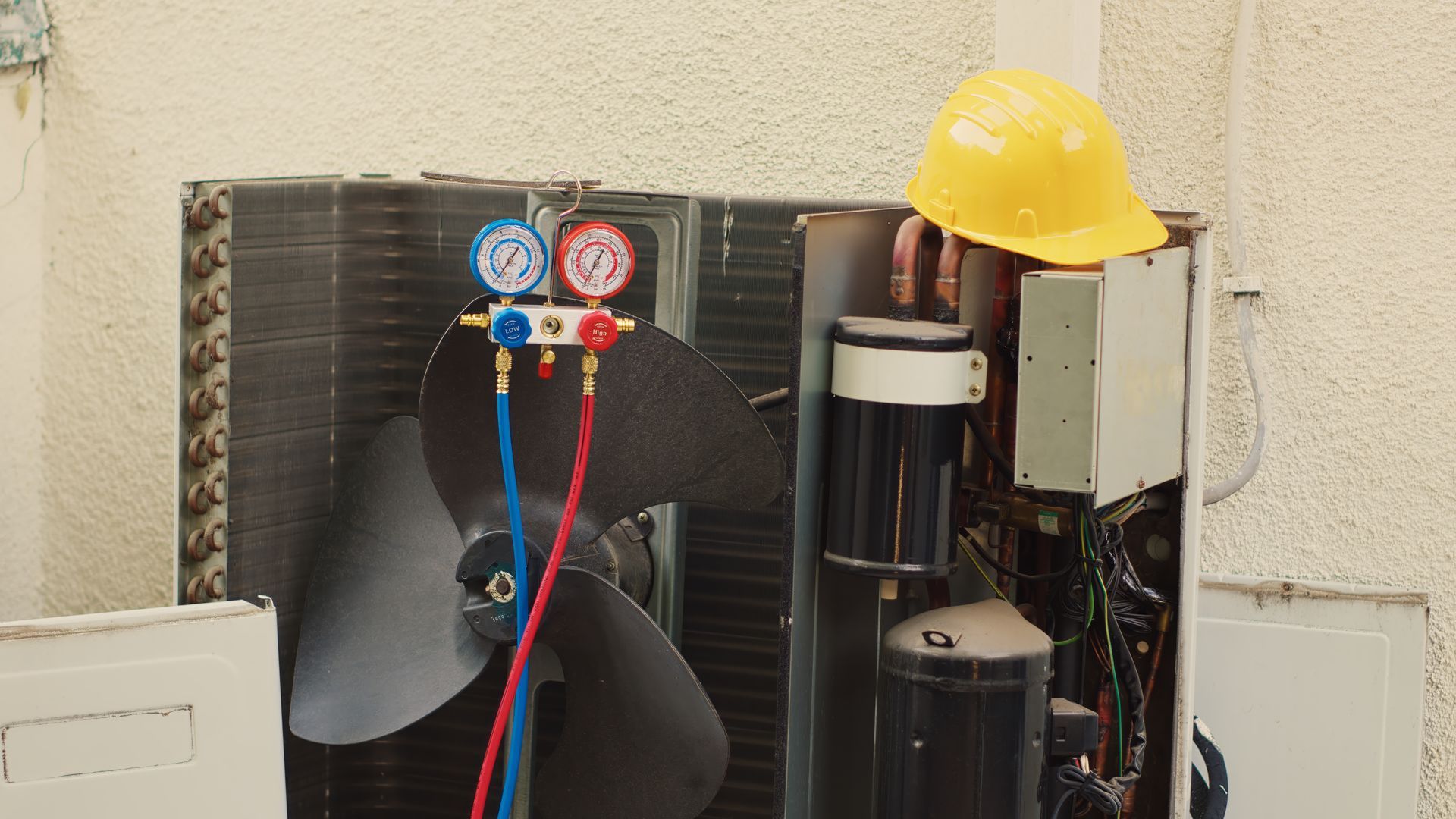
HVAC unit with gauges and hoses, yellow hard hat resting on top, against a stucco wall
By Salt River Air LLC • August 5, 2026
Late summer heat tests every air conditioner in the area relentlessly. You might notice the air blowing from your vents feeling weak or barely cool when the harsh afternoon sun hits the roof. The team at Salt River Air LLC sees this exact scenario play out every single summer. We know how frustrating it is to deal with a failing cooling system when you need that relief the most. Our goal is to help you understand why outdoor compressors fail and when you need professional AC repair to fix the root cause. Ignoring the early warning signs usually leads to a complete breakdown during the hottest part of the day. A quick response protects your equipment and keeps your family safe from the extreme seasonal temperatures. Let us walk through the most common reasons your system struggles late in the season. What We Cover: The Impact of Dirty Coils on Compressor Lifespan Electrical Stress During Peak Demand Hours Why Does My Air Conditioner Stop Cooling in the Late Afternoon? Why DIY Refrigerant Recharges Destroy Equipment Protecting Your Investment Before September The Impact of Dirty Coils on Compressor Lifespan The outdoor unit sits exposed to dust storms and yard debris all year near the Superstition Mountains. When the condenser coils get coated in dirt, the system cannot release heat properly into the outside air. The compressor has to run longer and harder to reach the temperature set on your thermostat. This constant mechanical strain overheats the internal motor and eventually leads to permanent failure. → A quick tip to remember: Washing the outside unit gently with a garden hose once a season prevents heavy dirt buildup from choking the system. Electrical Stress During Peak Demand Hours Late summer afternoons push the electrical grid to its absolute limits across the region. Your air conditioning unit requires a massive surge of electricity just to start the cooling cycle. If the electrical components like the capacitor or contactor are weak, the compressor struggles to turn on and draws excessive amperage. This electrical struggle creates excess heat that burns out the internal wiring over time. This is a pattern the team at Salt River Air LLC hears regularly when parts begin to wear out. ► Client Experience: Friendly service and very quick repair to get our heat back up and going. My service techs were Alberto and Tony. Last week we had the condenser in the air conditioner go out. 2 day turn around and we were back up and running. Julio diagnosed the issue effectively and the team came out to get it done. When ever we have called they have answered with great service! Fast and accurate electrical diagnostics keep small component failures from destroying the entire condensing unit. → From a professional standpoint: Replacing a cheap dual run capacitor today saves you from buying a thousand dollar compressor tomorrow. Why does my air conditioner stop cooling in the late afternoon? Your system might stop cooling late in the day because the compressor overheats and shuts itself down on a thermal overload safety switch. The unit absorbs the highest ambient temperatures right when your house demands the most cooling power. If the airflow is restricted by a dirty filter or the refrigerant charge is slightly off, the system simply cannot keep up with the heat load. It takes a trained eye to track down whether the issue is airflow, low refrigerant, or a failing electrical component. Why DIY Refrigerant Recharges Destroy Equipment Homeowners sometimes try to add freon themselves using cheap gauge kits bought online. Air conditioning systems operate on very specific pressure and temperature scales that require calibrated digital gauges to measure subcooling and superheat. Adding too much refrigerant sends raw liquid straight into the compressor valves and breaks them instantly. You end up needing a massive AC repair bill or a complete system replacement just to fix a minor initial issue. → A quick tip to remember: Never connect a refrigerant hose to your system without proper EPA certification and diagnostic tools. Protecting Your Investment Before September Fixing an overheating system early keeps you comfortable and extends the operating life of your equipment. A proper diagnostic check pinpoints exactly what is causing the strain so we can replace the faulty part right away. Call our dispatch team to get an expert technician out to your home today.
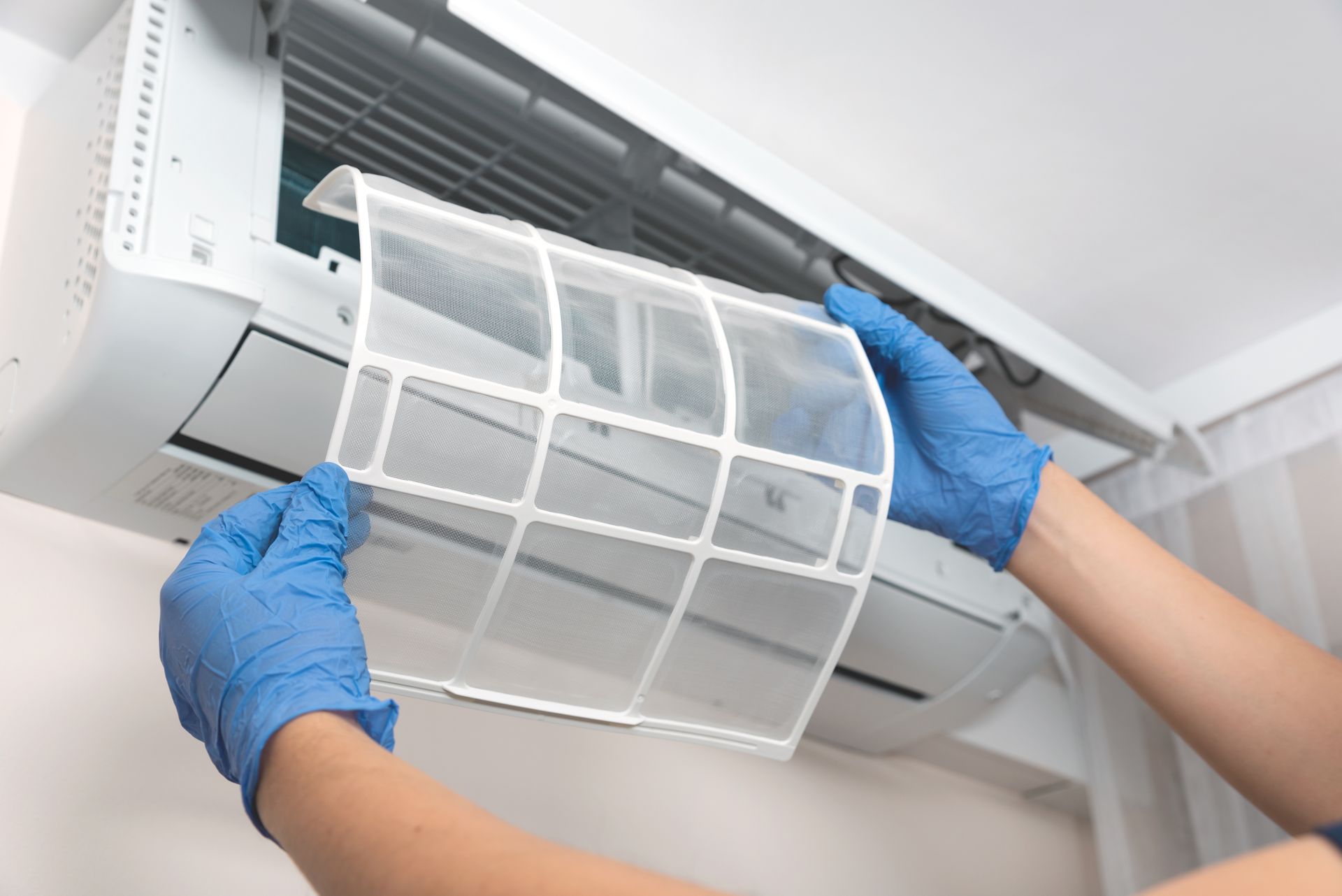
Gloved hands removing a dirty air conditioner filter for cleaning
By Salt River Air • July 29, 2026
Dirty air filters cause most emergency AC repairs in East Valley homes. Learn why filter changes matter and keep your HVAC running with Salt River Air.
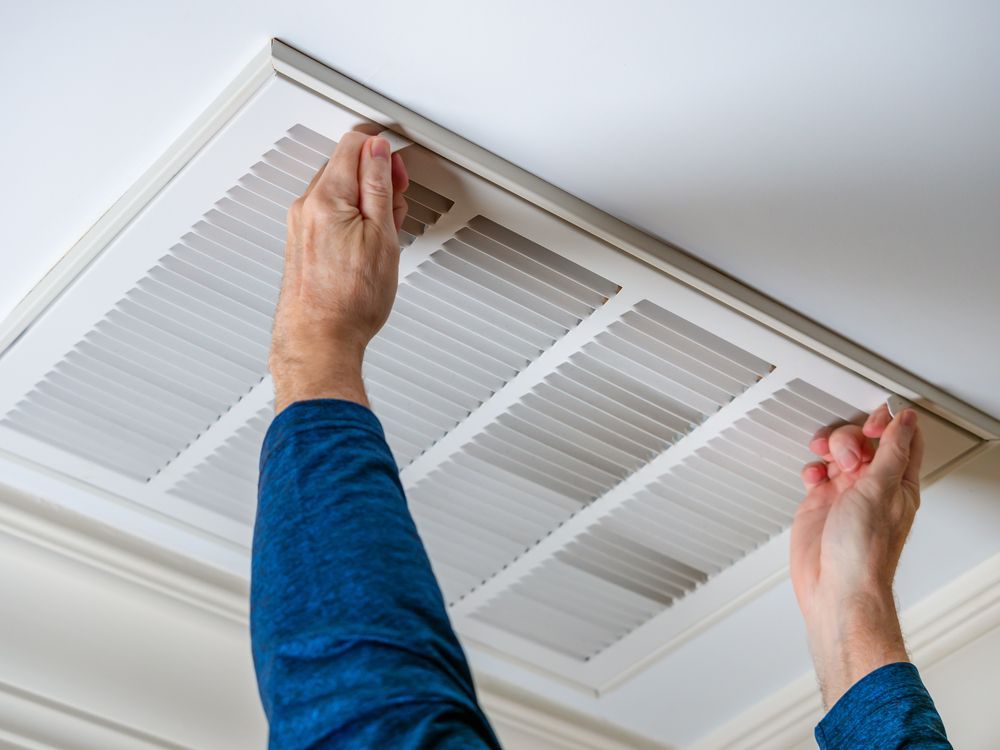
Hands adjusting a white ceiling vent filter with a blue sleeve visible
By Salt River Air • July 21, 2026
Buying an older East Valley home? Discover HVAC warning signs and inspection tips to avoid costly surprises. Homebuyers’ guide by Salt River Air.