Understanding Heat Pump Defrost Cycles During Arizona Winter Months
Feeling a blast of cold air coming from your vents on a chilly December night causes immediate panic for many homeowners. When you rely on your equipment to keep your family warm, unexpected cold air feels like a major mechanical failure. The technicians at Salt River Air LLC receive countless emergency calls from panicked residents reporting a broken system. In many cases, the equipment is actually functioning exactly as it was designed.
Heat pumps operate differently than traditional gas furnaces. They pull residual heat from the outdoor air and move it inside your home. When the temperatures in the East Valley drop near freezing, the outdoor coils can quickly accumulate a layer of frost. Your system contains a built in mechanism to handle this exact situation. This guide explains what normal operation looks like and when you actually have a broken component.
Here is a look at what we cover below:
● The science of frost: Why ice builds up on outdoor coils.
● The defrost cycle explained: How your system protects itself.
● Spotting true failures: When you need professional intervention.
● Frequently asked questions: Details about normal operation.
Why Frost Forms on Your Outdoor Unit
Heat pumps extract warmth from the outside air. During this extraction process, the refrigerant inside the outdoor coils becomes extremely cold. If the outside air is damp and the temperature dips low enough, moisture in the air freezes directly onto those cold metal coils. A thin layer of white frost on the unit is completely normal during cold Arizona mornings.
If that frost continues to build up, it eventually blocks airflow across the coils. Without proper airflow, the equipment cannot extract heat. The entire system would eventually turn into a solid block of ice and stop working entirely. To prevent this, the internal control board triggers a specific sequence to melt the frost.
Understanding the Defrost Sequence
People constantly ask why their heat pump is blowing cold air in winter. The answer is usually the defrost cycle. When the sensors detect too much frost, the system temporarily reverses its operation. It switches back into air conditioning mode for a few minutes. This sends hot refrigerant out to the exterior coils to melt the accumulated ice.
Because the system is technically running in cooling mode to melt the outdoor ice, it will blow cool air from your indoor vents. Most modern units shut off the indoor blower motor during this time to prevent chilling your rooms. Some older models lack this feature. The entire cycle typically lasts between five and fifteen minutes. Once the ice melts, the system switches back to heating mode and resumes warming your home.
Recognizing When You Need Real Heat Pump Repair
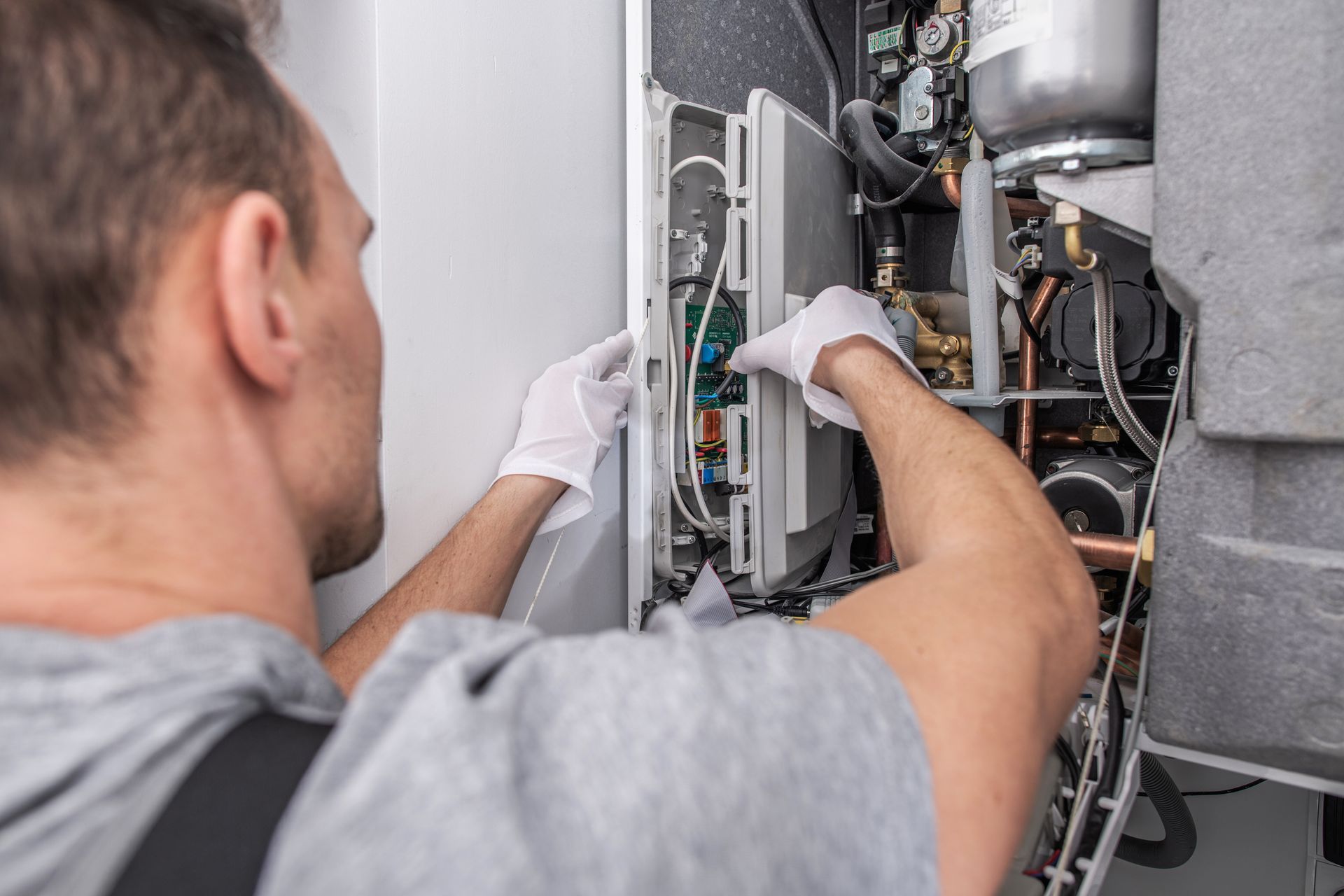
A defrost cycle is a temporary self cleaning mode. If your vents blow cold air for more than twenty minutes, you are no longer in a normal cycle. You likely have a mechanical issue that requires professional Heat Pump Repair.
If the outdoor unit looks like a solid iceberg and never seems to melt, the defrost control board or reversing valve might be broken. Low refrigerant levels also cause severe icing that the system cannot fix on its own. In these situations, calling a technician for proper system troubleshooting is the only way to restore your heat. Forcing the unit to run while completely frozen will quickly destroy the compressor.
Frequently Asked Questions
Should I pour hot water on a frozen heat pump?
Never pour hot water on your outdoor unit. The sudden temperature change can crack the metal coils and cause a massive refrigerant leak. Let the automatic cycle handle thin frost or call a professional for heavy ice.
How often should my system go into defrost mode?
A healthy unit might run a defrost cycle every hour or two during particularly cold and damp nights. Frequent cycling during mild weather points to a sensor problem.
Taking Care of Your Heating Investment
A well maintained unit handles cold weather and frost accumulation with ease. Recognizing the difference between a normal cycle and a mechanical failure saves you from unnecessary stress. Reach out to our team to schedule an annual heating system check so your sensors and valves are ready for the winter chill.
Share This Blog