The Real Reason Your Home Gas Furnace Keeps Shutting Off Early
Hearing your heater kick on only to turn completely off five minutes later is an incredibly frustrating experience. This rapid on-and-off cycle leaves your rooms freezing and your energy bills soaring. The technicians at Salt River Air LLC frequently talk to homeowners who assume their thermostat is broken and try to wire a new one themselves.
Replacing the wall control almost never fixes this specific problem. When a heating system runs for a few minutes and abruptly stops, it is usually protecting itself from a dangerous mechanical failure. This behavior is called short cycling, and ignoring it will eventually destroy your blower motor. This guide breaks down the true mechanical causes behind a heater that refuses to stay running.
Read through the sections below to understand the root causes:
● The dirty flame sensor: A common and misunderstood issue.
● Airflow restrictions: How a clogged filter chokes your system.
● Overheating limits: When safety switches shut down the heat.
● Frequently asked questions: Troubleshooting your heater.
The Dirty Flame Sensor Problem
Homeowners constantly ask why their furnace keeps turning off and on. In many gas systems, the number one culprit is a dirty flame sensor. This small metal rod sits directly in the path of the burner flames. Its only job is to prove that a fire actually ignited when the gas valve opened. If the sensor detects a flame, it tells the control board to keep the gas flowing.
Over months of operation, carbon buildup and dust coat the metal rod. When the sensor gets too dirty, it can no longer feel the heat of the fire. The control board assumes the gas is just pouring into your house unlit, so it immediately shuts off the system to prevent an explosion. The heater will try again a few minutes later, fail again, and continue this short cycling loop.
Airflow Restrictions and Overheating
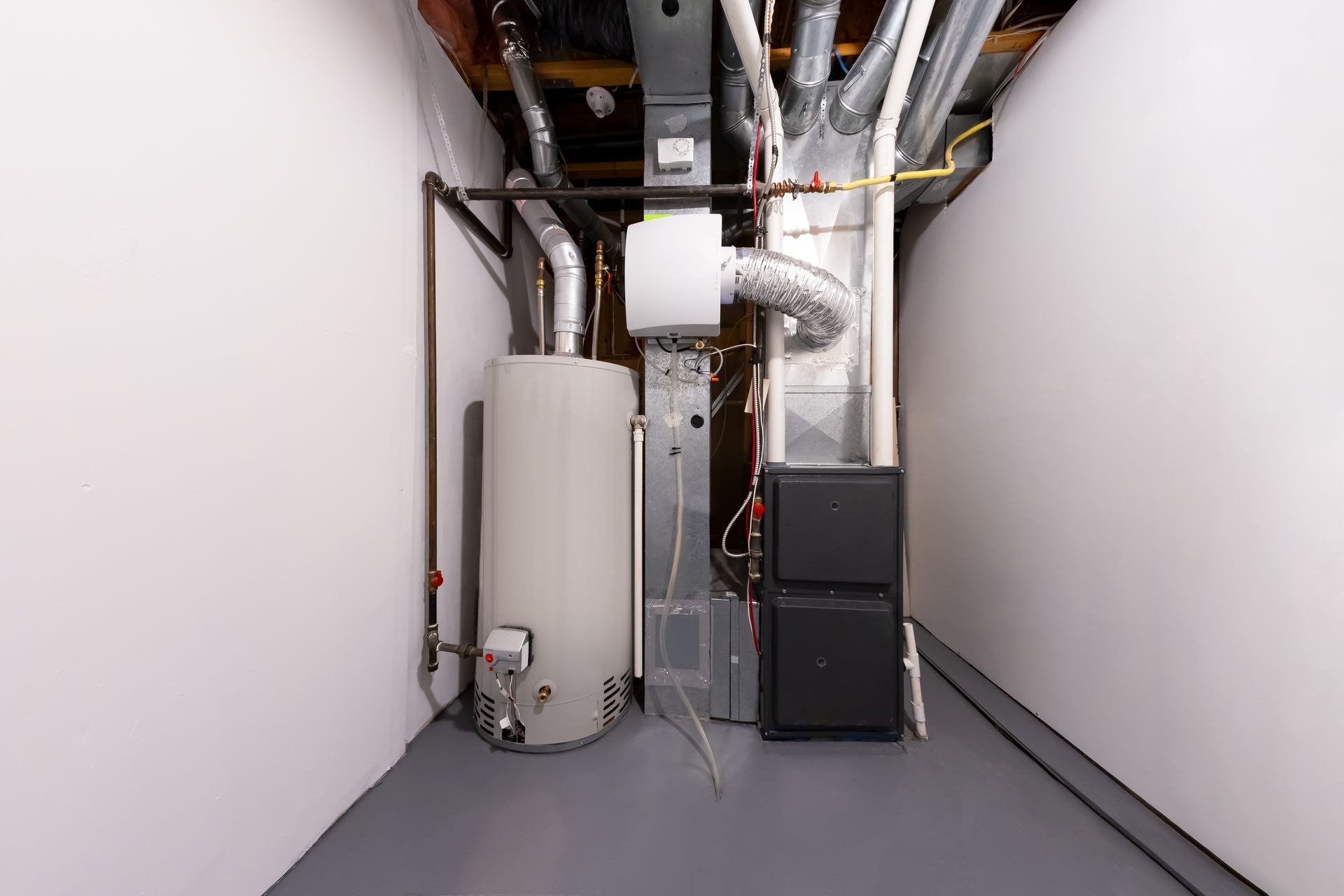
Another massive cause of short cycling is severe airflow restriction. Your heater needs a constant supply of cold return air to absorb the heat generated by the burners. If you forget to change a cheap fiberglass filter for six months, it becomes a solid wall of dust. The blower motor cannot pull air through it, which means the heat builds up rapidly inside the metal cabinet.
When the internal temperature gets too high, a built-in safety switch called the high limit trips and kills the power. Once the metal cools down, the switch resets, the furnace fires back up, and it overheats all over again. This constant thermal expansion and contraction will eventually crack the heat exchanger. Regular furnace repair and maintenance completely prevents this exact scenario.
Knowing When to Call for Professional Help
You should never attempt to bypass a limit switch or clean a flame sensor with heavy sandpaper. Modern heating equipment relies on precise electrical voltages to operate safely. Scratching a sensor or tampering with a safety limit can cause gas leaks or electrical shorts.
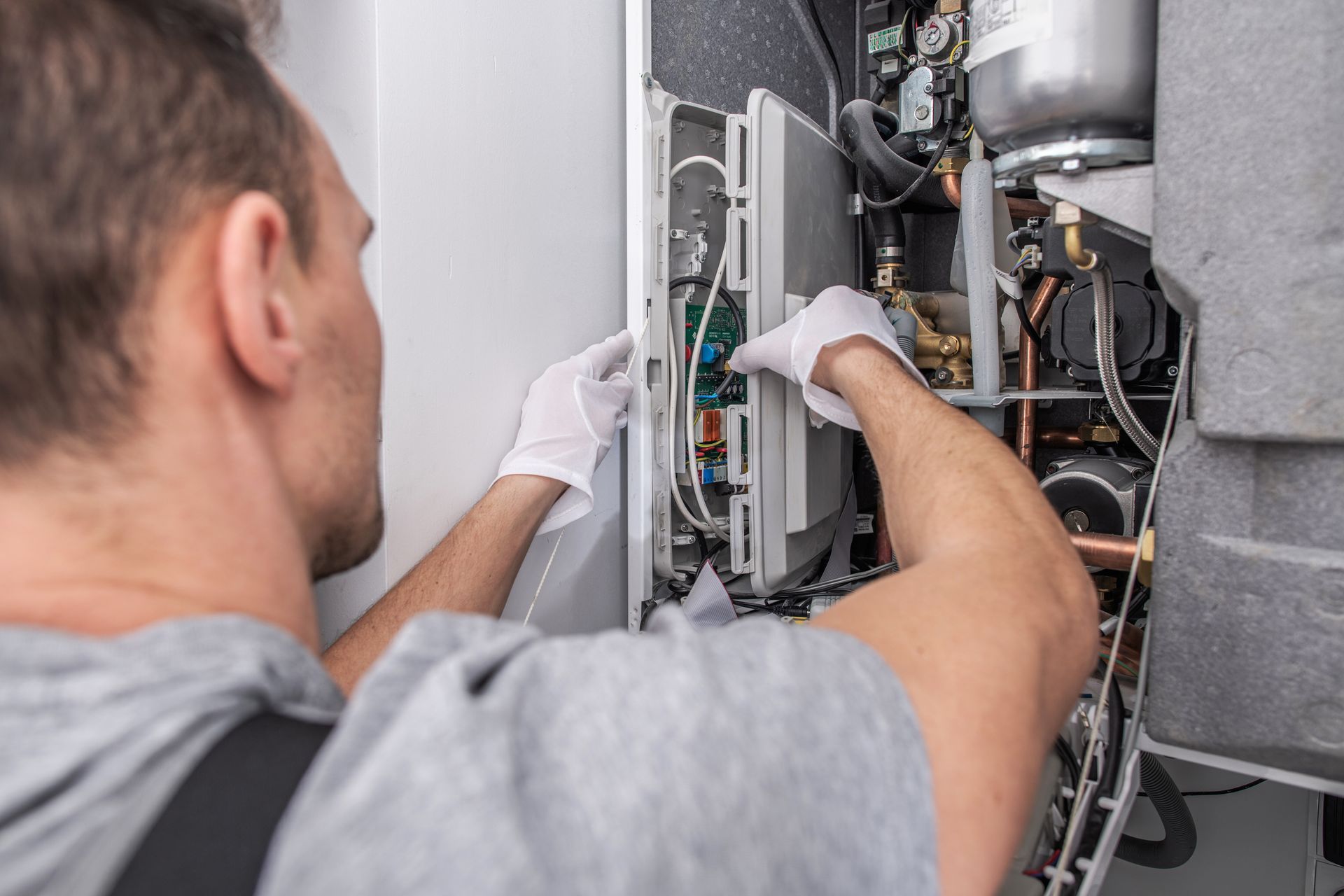
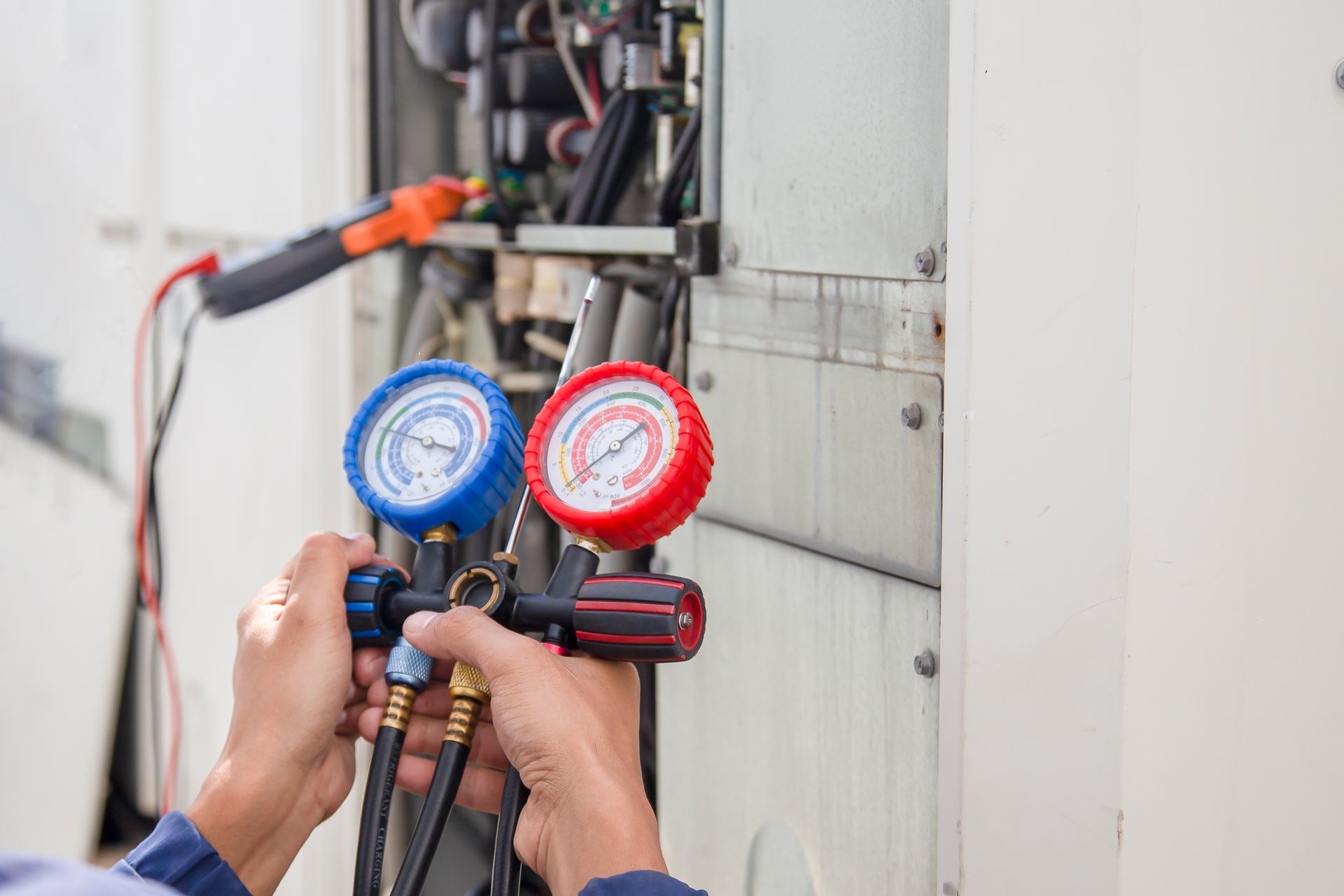
If you put in a brand new air filter and the short cycling continues, you need a professional diagnostic visit. A trained technician can use a multimeter to test the electrical draw of your safety switches and clean the flame sensor with the proper materials. If your system is aging and also struggling to cool in the summer, we can perform a full AC tune-up and heating check to get both sides of your equipment running correctly.
Frequently Asked Questions
Why does my furnace keep turning off and on?
Your system is short cycling, which is usually caused by a dirty flame sensor failing to read the fire, or a clogged air filter causing the internal cabinet to overheat and trip a safety switch.
Will changing my thermostat fix short cycling?
Rarely. While a failing thermostat can cause strange behavior, a system that shuts down after exactly three to five minutes is almost always reacting to an internal mechanical safety limit.
Stopping the Short Cycling for Good
A furnace that runs properly should stay on long enough to evenly warm your entire house in a single cycle. If your equipment keeps stuttering and shutting down, you are wasting gas and damaging the motor. Give our service desk a call today to get a technician out to diagnose and fix the root of the problem.
Share This Blog