What to Expect During a Professional Home Energy Efficiency Audit
Paying high power bills month after month frustrates any homeowner. People often try turning off lights or closing vents in unused rooms to save a few dollars, but these small tricks rarely make a dent in the actual utility costs. The technicians at Salt River Air LLC know that real savings only come from understanding exactly how your specific house consumes and loses energy.
Guessing which window or door is leaking air is a waste of time. A professional assessment relies on trade knowledge and testing equipment to find the hidden thermal leaks in your attic, walls, and ductwork. Preparing for this visit helps you get the most accurate results. Read on to learn exactly what happens when we evaluate your property.
What you will find below:
● Initial preparation: Gathering your bills and identifying problem rooms.
● The walk-through: What our technicians inspect inside your home.
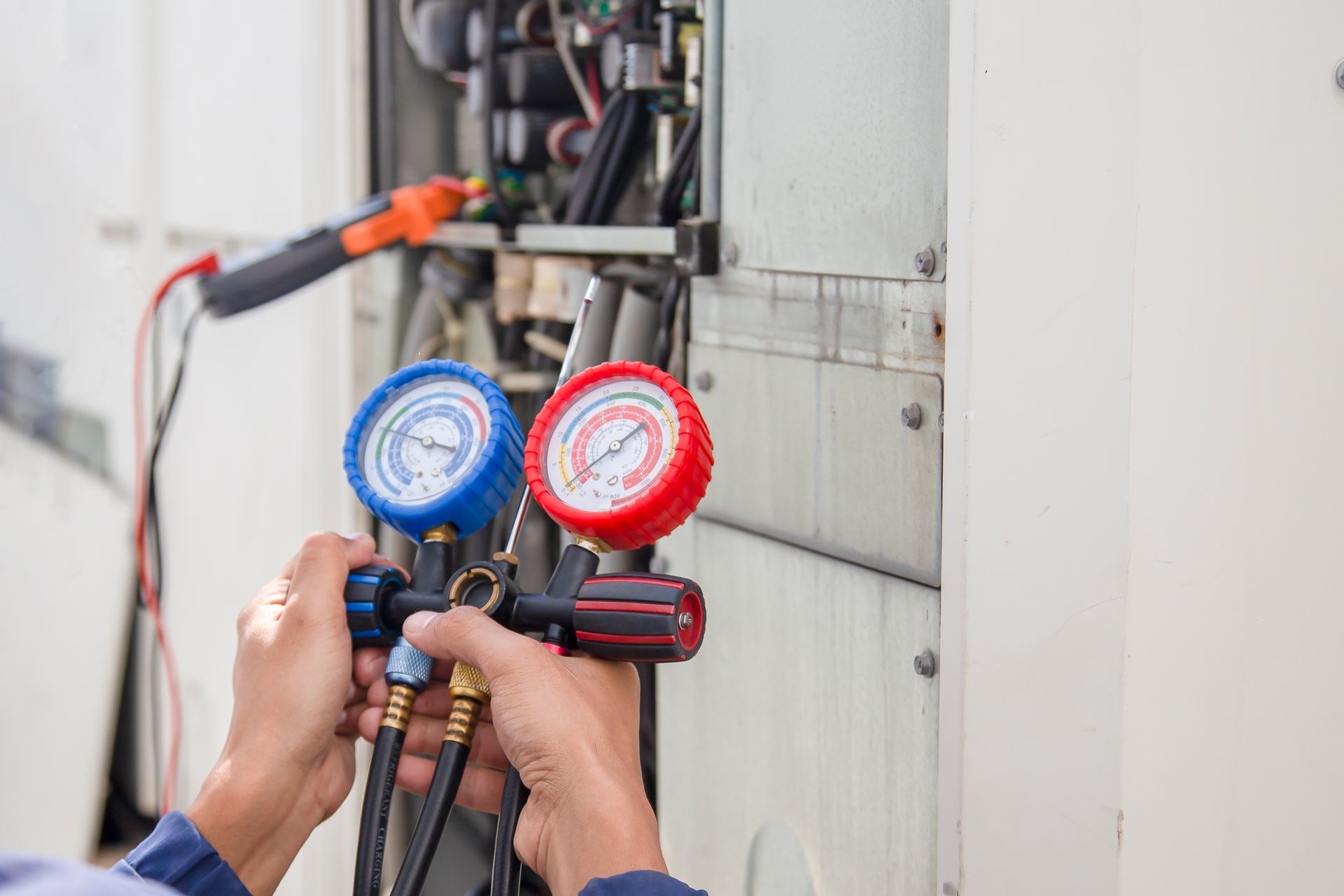
● Equipment testing: Checking your HVAC and insulation.
● Frequently asked questions: Knowing what to expect.
Gathering Your Information Before We Arrive
People often want to know what a home energy audit includes. The process actually starts before we even knock on your door. To give you the best advice, we need to see your historical energy usage. We ask homeowners to gather their electric and gas bills from the past twelve months. Looking at your summer and winter peaks tells us exactly when your house struggles to maintain temperature.
You should also write down a list of the specific comfort issues you experience. If your master bedroom is always ten degrees hotter than the kitchen, tell us. If the floor near the back patio feels freezing in January, write it down. These clues point our technicians directly toward the most likely areas of missing insulation or failing equipment.
The Hands-On Testing Phase
When we arrive, we perform a visual and mechanical inspection of the property. We start by checking the type and depth of the insulation in your attic. Over time, blown fiberglass and cellulose settle and compress, losing their ability to block heat transfer. We also inspect the weather stripping around your exterior doors and the caulking around your windows.
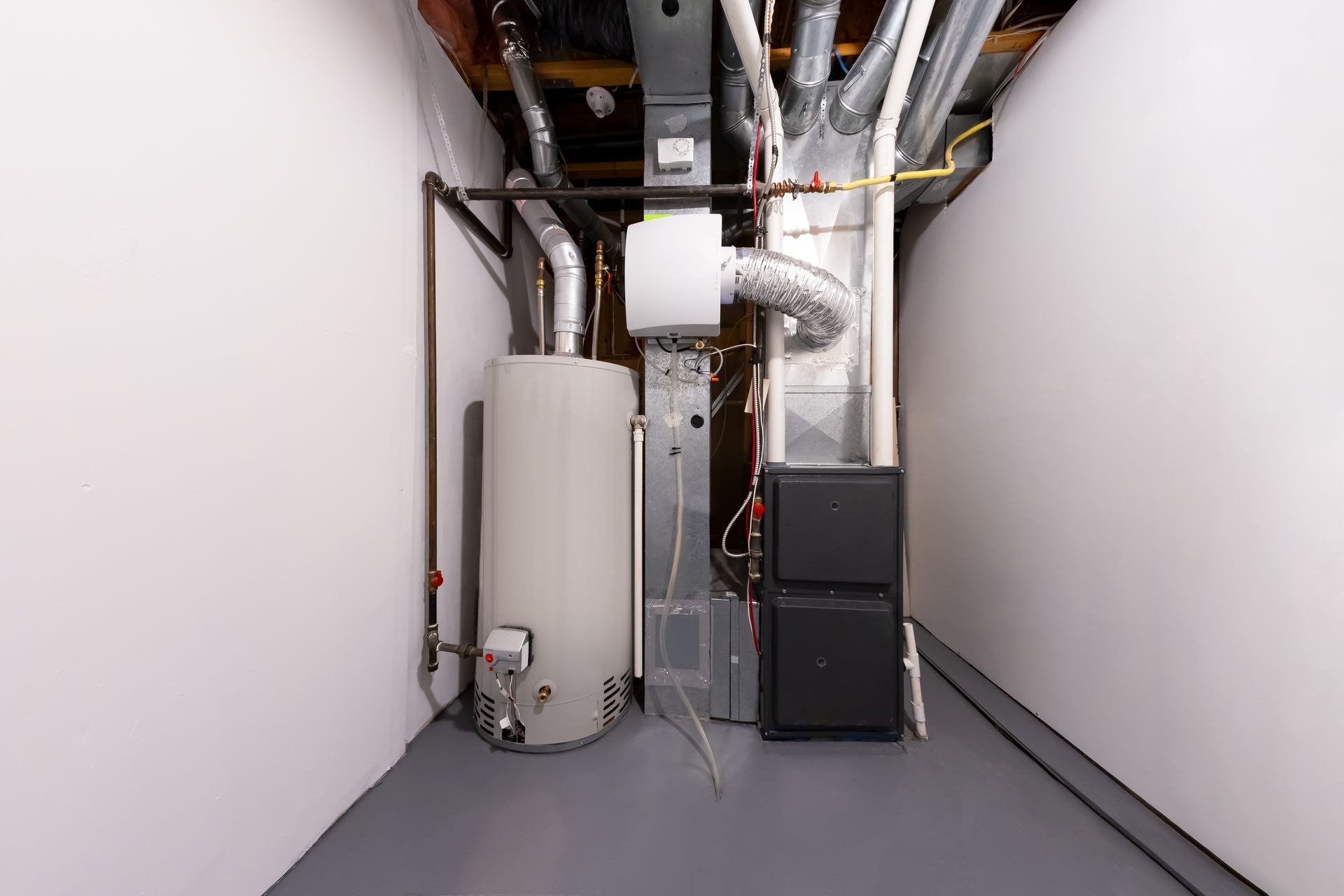
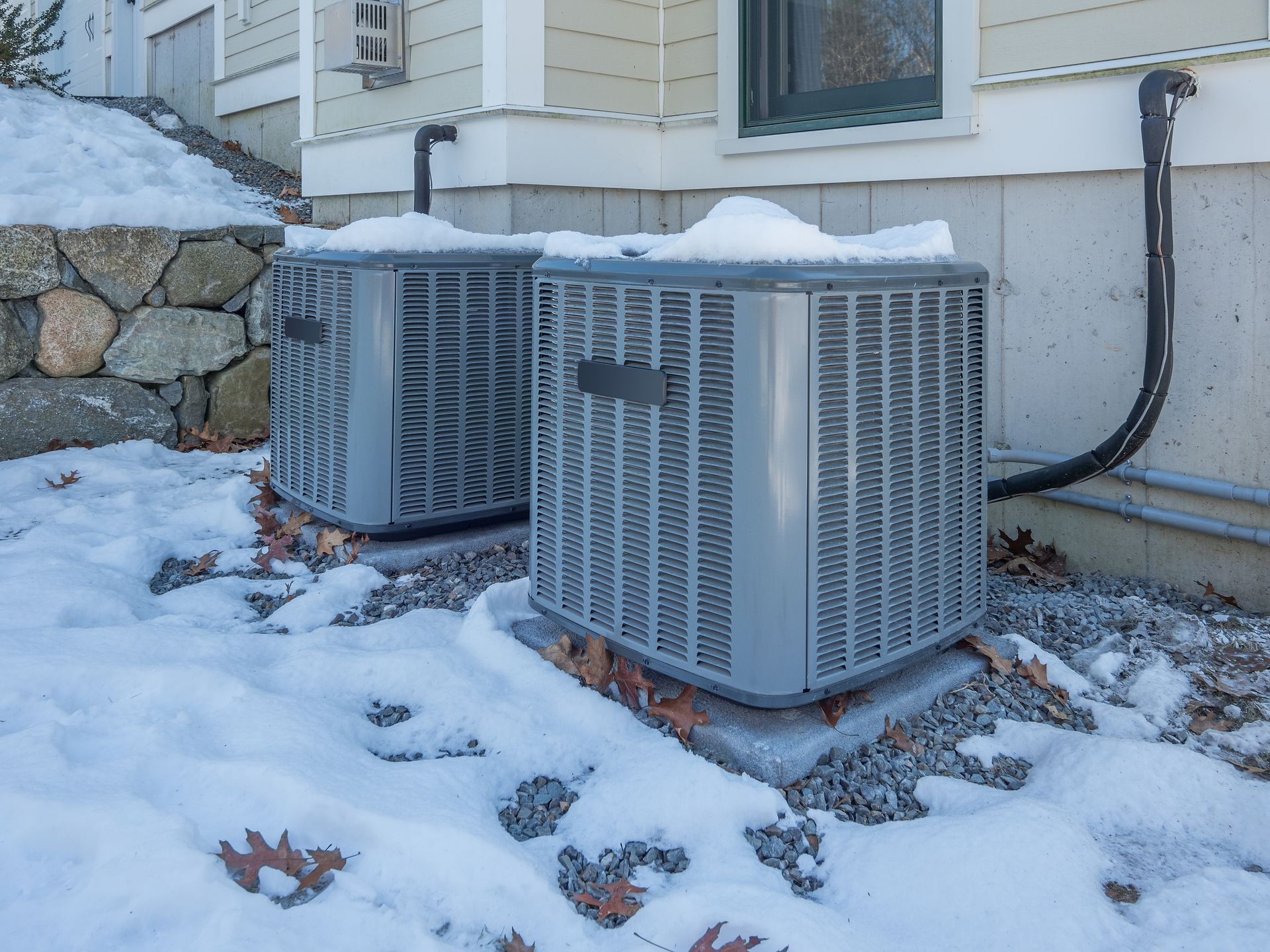
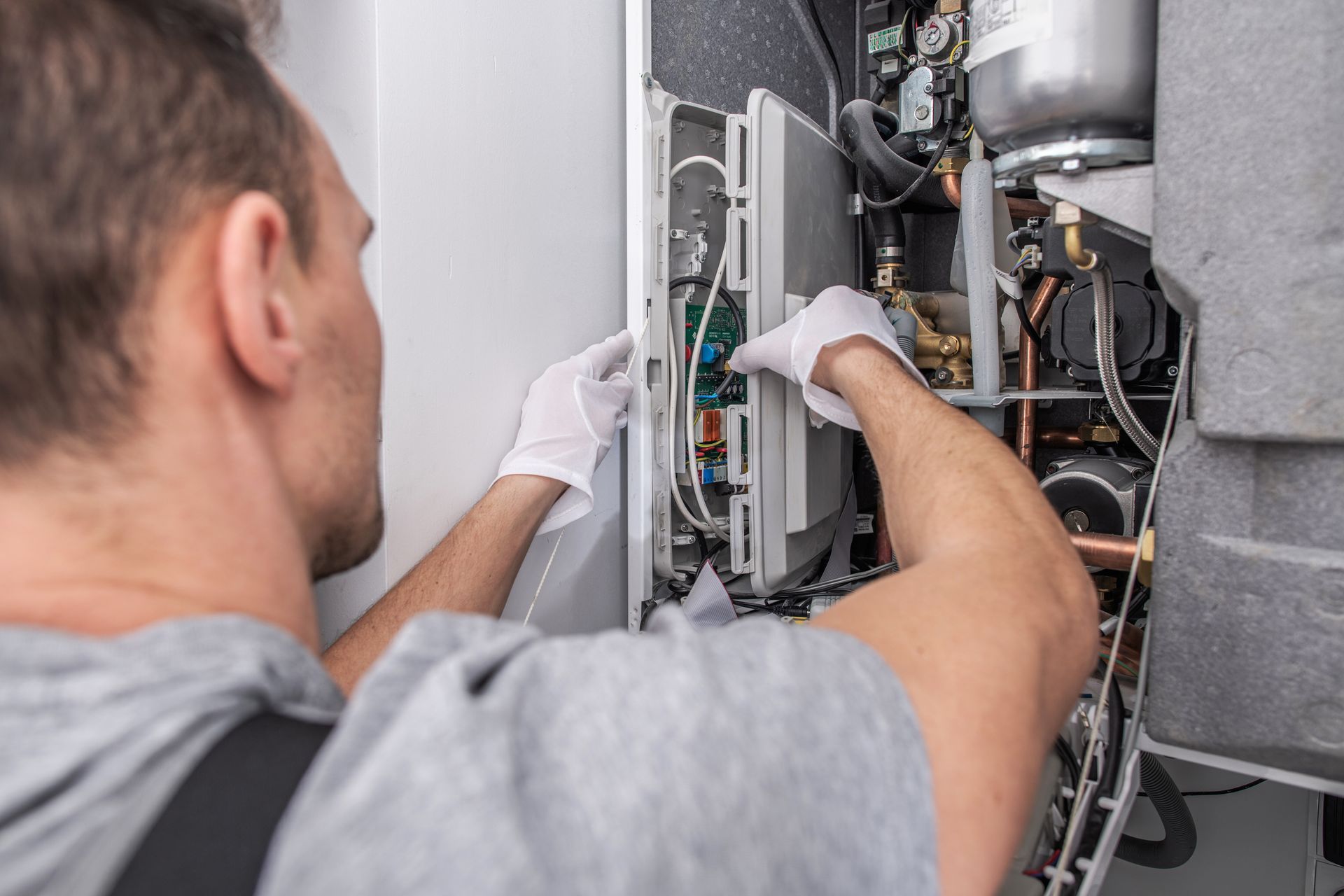
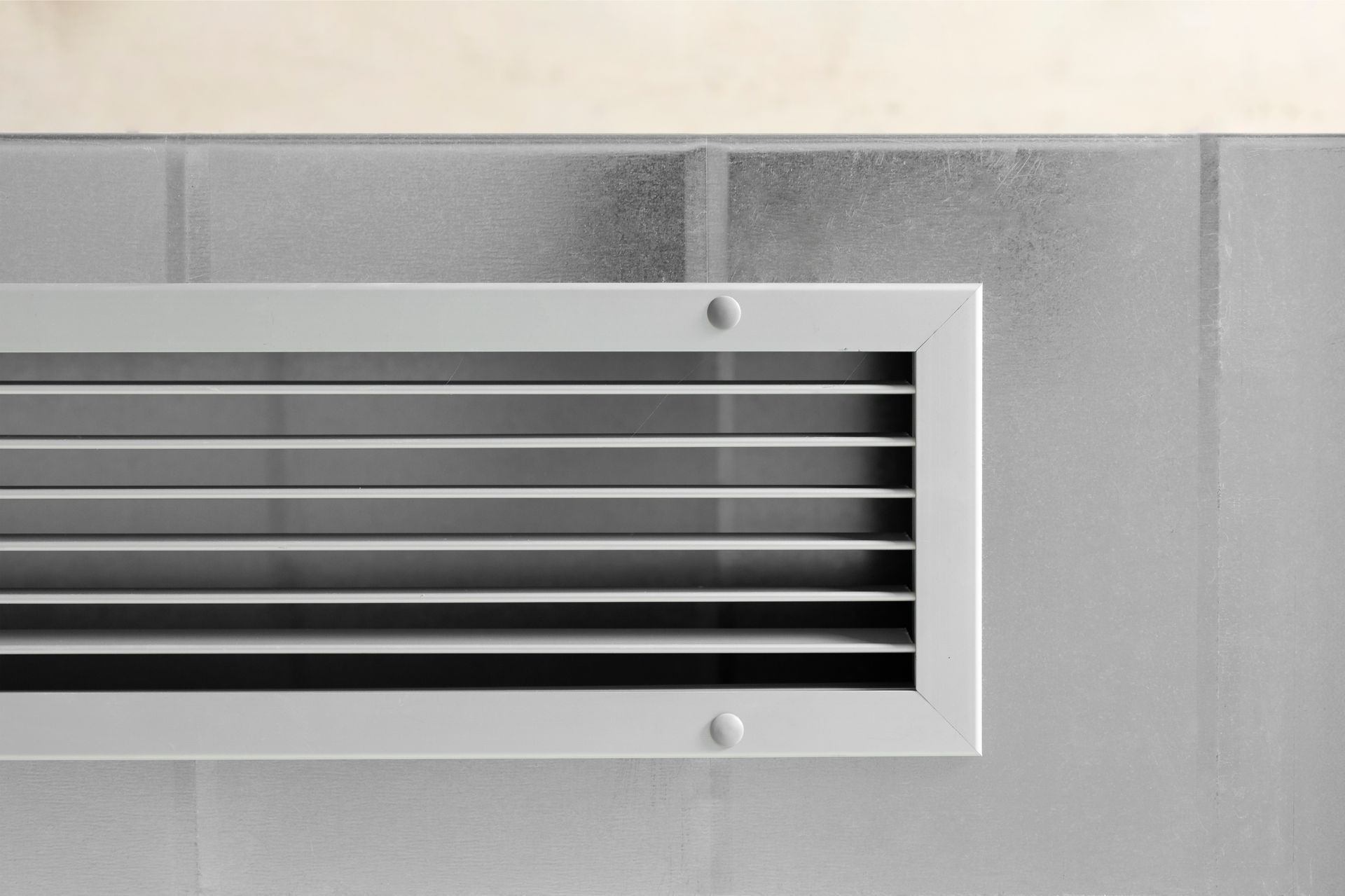
Next, we evaluate your heating and cooling equipment. We check the age, size, and efficiency rating of your central system. A unit that is too small runs constantly, while a unit that is too large turns on and off rapidly. Both scenarios waste massive amounts of electricity. We will also check your return vents to ensure the blower motor is pulling enough air. If your system is badly outdated, this is usually the point where we might discuss the long-term benefits of a new AC installation.
Reviewing the Findings and Building a Plan
After the testing is complete, we sit down and explain the data in plain terms. We do not just hand you a confusing technical printout. We prioritize the repairs that will give you the fastest return on your investment. Sometimes the answer is simply adding a layer of blown insulation in the attic. Other times, the solution requires sealing leaky ductwork.
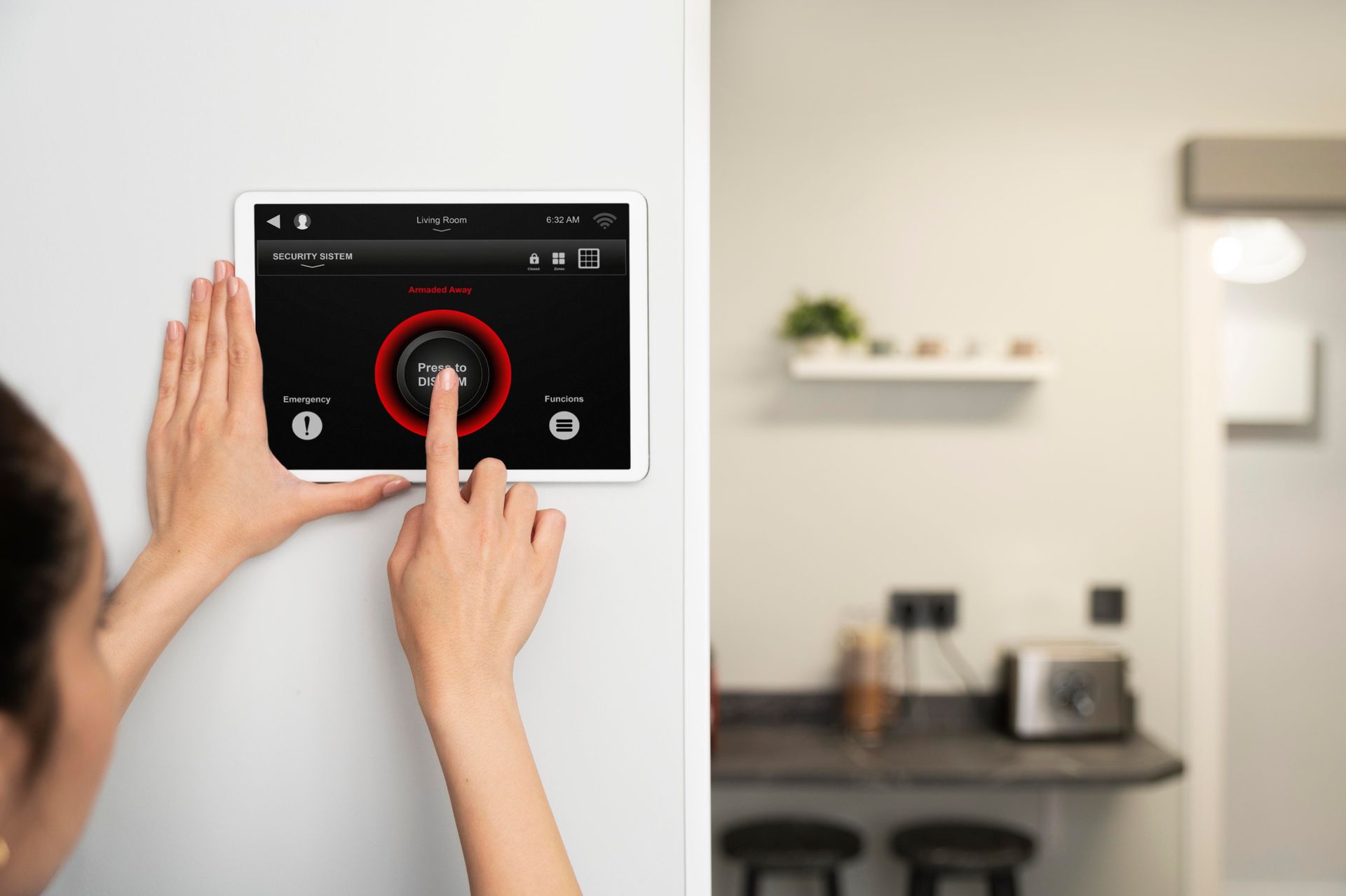
We also look at your controls. If you are still using a manual slide thermostat, we will likely suggest a smart thermostat installation. Upgrading your controls allows you to track your daily usage and automatically adjust the temperature while you are asleep or at work.
Frequently Asked Questions
What does a home energy audit include?
A thorough audit includes a review of your utility bills, an inspection of your attic insulation, a visual check of windows and doors, and a mechanical assessment of your HVAC equipment.
How long does the inspection take?
Most residential audits take between one and two hours. The time depends heavily on the square footage of your property and how easy it is to access your attic and HVAC units.
Getting Control of Your Utility Bills
Stop guessing why your house costs so much to heat and cool. A proper evaluation gives you a factual roadmap to lower energy consumption and better indoor comfort. Contact our office to set up your audit and start making your home run efficiently.
Share This Blog