Prepping Your Furnace for Holiday Travel: Safety and Energy-Saving Tips

Salt River Air • November 11, 2025

Heading out of Mesa, Gilbert, or Scottsdale to visit family for the holidays? Before you lock the door and hit the road, it’s smart to prep your furnace for your absence. Keeping your East Valley home comfortable, safe, and energy-efficient while you’re away can offer that priceless peace of mind—so you can focus on making memories, not worrying about your house.


Here’s how to get your furnace set for holiday travel, straight from the NATE- and EPA-certified team at Salt River Air Heating and Cooling.


Why Prepping Your Furnace Matters in Arizona


Even though winters in Mesa, Chandler, and Apache Junction are milder than many other parts of the country, desert nights can drop quickly, especially in late November. Your furnace keeps your home’s pipes safe from freezing, prevents interior damage, and ensures your return is greeted with cozy comfort. Plus, some smart prepping steps can help you save on utility bills during your trip.


How Low Should You Set the Thermostat While Traveling?


This is one of the most common questions homeowners ask before they travel for the holidays.

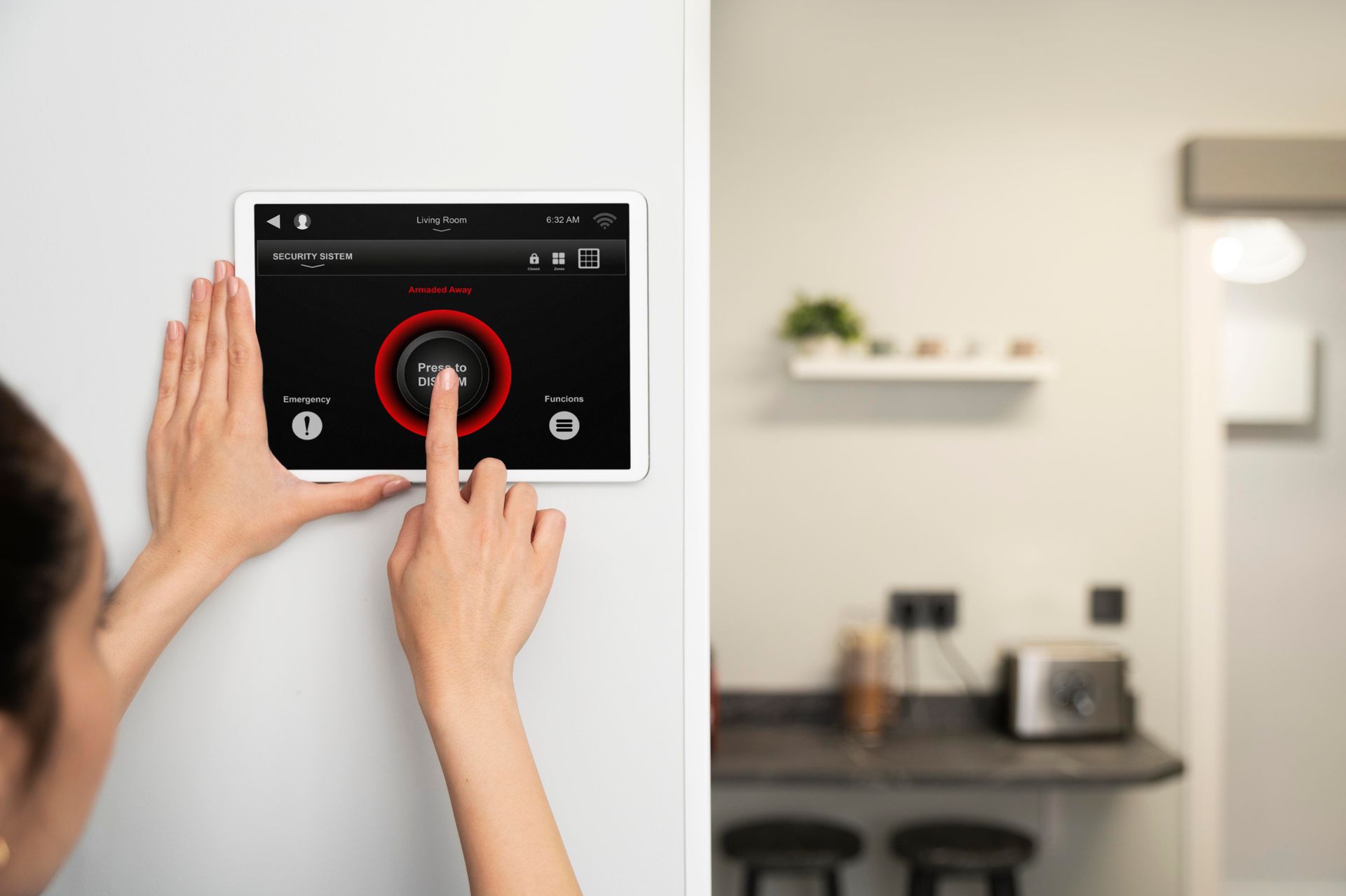
Here’s our recommendation: set your thermostat to 55–60°F. This temperature is warm enough to protect pipes and your home’s structure, but cool enough to avoid wasting energy. If you have a smart thermostat installed, you can even monitor and adjust the temperature from your phone—handy if Arizona weather throws a curveball while you’re gone.


Safety First: Essential Furnace Prep Steps


A few minutes of preparation can prevent big headaches and unexpected costs. Follow these simple steps before heading off on your holiday adventure:


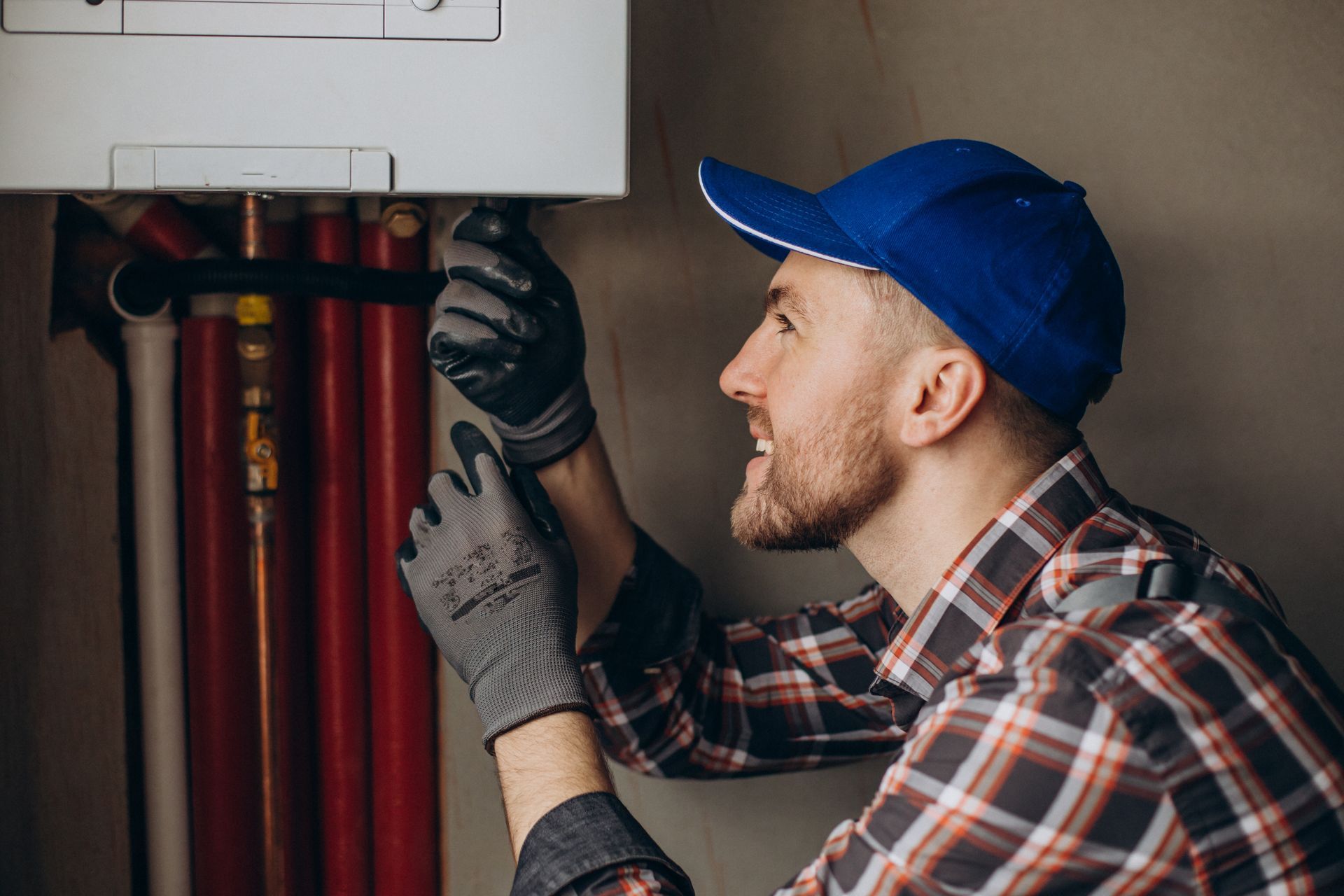
  • Schedule a furnace inspection or tune-up. Our Salt River Air pros recommend a professional check-up before every heating season. We look for issues like carbon monoxide leaks, faulty pilot lights, and worn electrical components—catching them before they become dangerous.
  • Change your furnace filter. A clean filter prevents unnecessary strain on your system, improves airflow, and keeps dust out of your living space.
  • Clear the area around your furnace. Remove clutter, flammable materials, or holiday decorations from the mechanical area.
  • Check your carbon monoxide and smoke detectors. Replace batteries and test alarms to make sure they’re working.
  • Consider closing curtains or blinds. This helps maintain heat inside your home and takes a little extra work off your furnace.


Energy-Saving Tips While You’re Away


No need to pay for heating an empty home. Try these proven strategies to cut down your energy use:


  • Lower the thermostat (but don’t turn it off).
  • Unplug electronics and small appliances.
  • Turn off or set water heater to vacation mode.
  • Seal up windows and doors—add weatherstripping if needed before you go.

Use a programmable or Wi-Fi thermostat for automatic temperature control. Salt River Air can help with smart thermostat installation anywhere in the East Valley.


Preventing Issues & Ensuring Peace of Mind


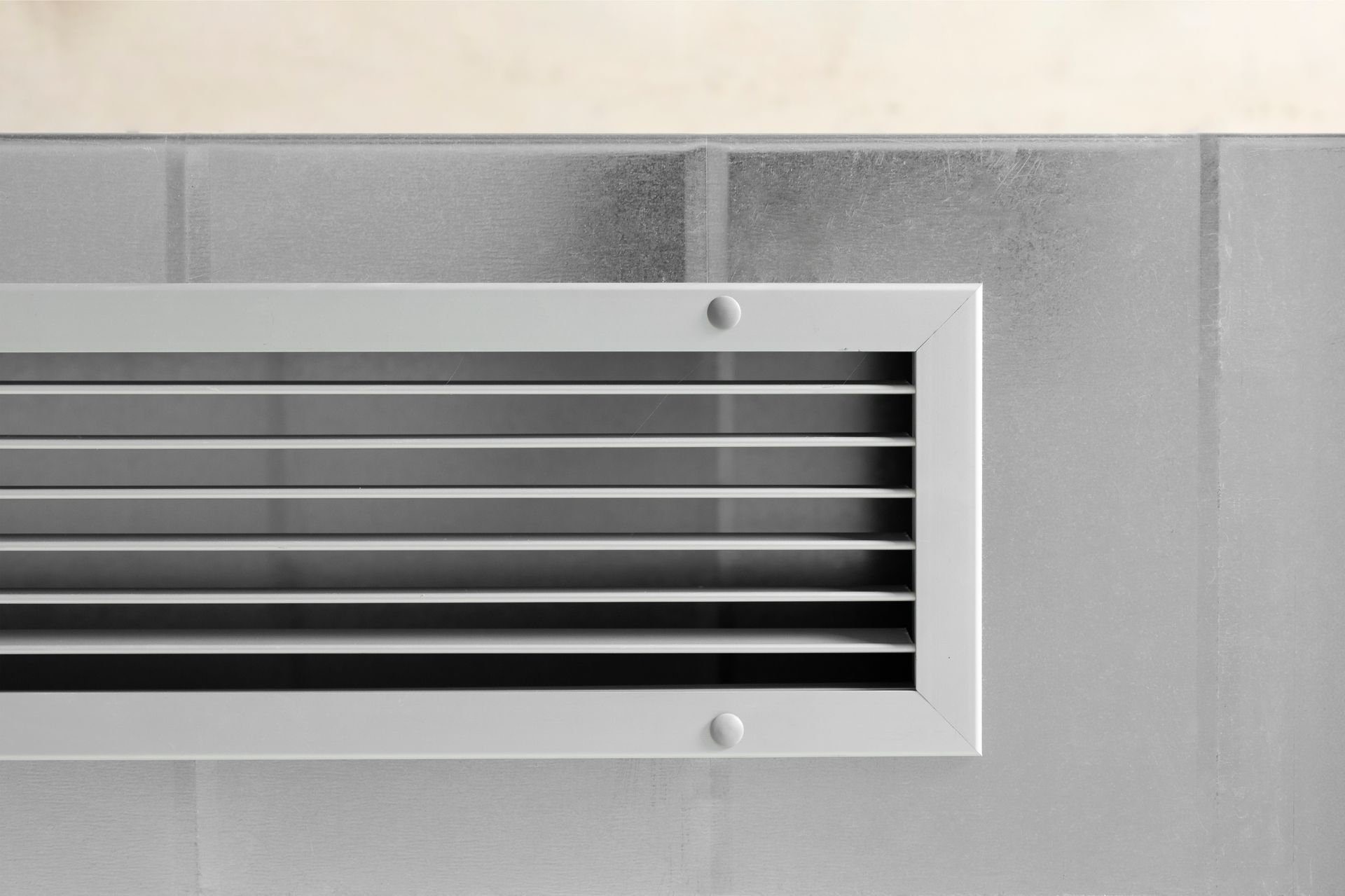
Arizona’s dry climate means dust is always a factor. Before you leave, clean vents and registers. A quick vacuum can keep airflow smooth and prevent blockages.


If you’re going to be away for more than a week, ask a trusted neighbor or friend to check on your property. If your furnace is older or due for replacement, now’s a great time to think about upgrading to an energy-efficient system that saves money and reduces your environmental impact.


Should You Turn Your Furnace Off When Leaving for Vacation?


Turning your furnace off completely isn’t usually recommended, even in milder Arizona winters. Keeping your home at a minimum temperature (55–60°F) protects pipes, preserves woodwork, and avoids condensation issues. Modern smart thermostats offer vacation modes that maximize efficiency, so you don’t have to worry about constantly adjusting settings.


Trust Salt River Air LLC for Furnace Prep and Peace of Mind


Traveling for the holidays should be stress-free. At Salt River Air Heating and Cooling, our family values show in everything we do—from affordable furnace tune-ups to smart thermostat installations and emergency heating repair. We serve Mesa, Apache Junction, Gilbert, Chandler, and the entire East Valley with certified, reliable HVAC care.


Ready to schedule a furnace inspection or talk about energy-saving upgrades before your upcoming trip? Call Salt River Air LLC today or book an appointment online. We’re here to keep your Arizona home safe, efficient, and comfortable—no matter where your holiday travels take you!

Share This Blog
Wall-mounted white air conditioner on a beige wall beneath ceiling tiles.
By Salt River Air LLC August 25, 2026
Will a mini-split actually lower your electric bill? Salt River Air LLC explains the real ROI and installation challenges for older East Valley homes.
Outdoor HVAC unit beside a modern gray house wall with windows and grass.
By Salt River Air LLC August 19, 2026
Upgrading your HVAC? Read this honest breakdown of heat pump installation costs, sizing calculations, and energy savings from Salt River Air LLC today.
Woman sitting on a rug in a living room, looking at her phone beside a couch and coffee table.
By Salt River Air LLC August 11, 2026
Hosting for Labor Day? Stop dusty vents from ruining the party. Follow these trade-tested tips for better indoor air quality from Salt River Air LLC.
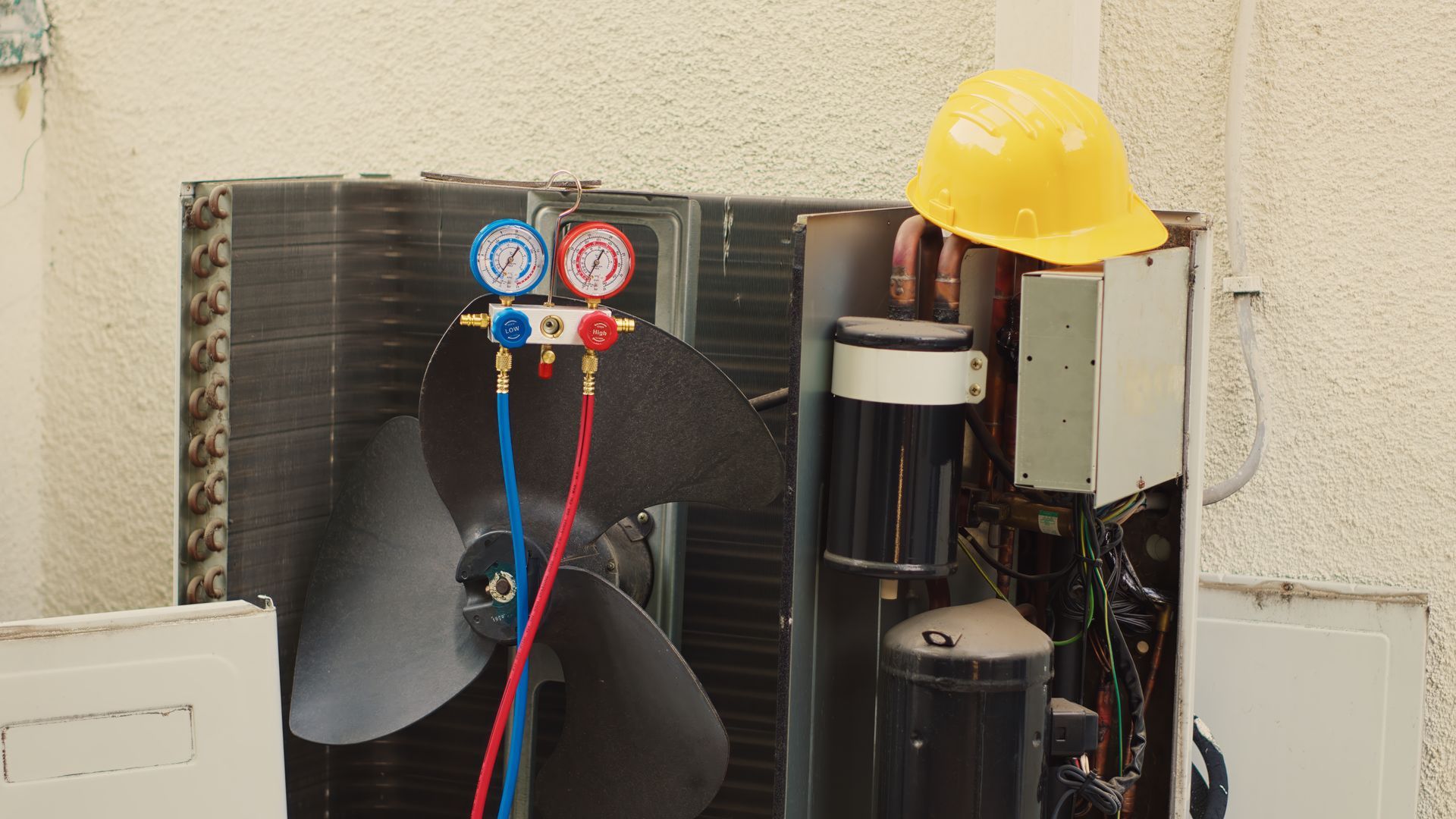
HVAC unit with gauges and hoses, yellow hard hat resting on top, against a stucco wall
By Salt River Air LLC August 5, 2026
Late summer heat tests every air conditioner in the area relentlessly. You might notice the air blowing from your vents feeling weak or barely cool when the harsh afternoon sun hits the roof. The team at Salt River Air LLC sees this exact scenario play out every single summer. We know how frustrating it is to deal with a failing cooling system when you need that relief the most. Our goal is to help you understand why outdoor compressors fail and when you need professional AC repair to fix the root cause. Ignoring the early warning signs usually leads to a complete breakdown during the hottest part of the day. A quick response protects your equipment and keeps your family safe from the extreme seasonal temperatures. Let us walk through the most common reasons your system struggles late in the season. What We Cover: The Impact of Dirty Coils on Compressor Lifespan Electrical Stress During Peak Demand Hours Why Does My Air Conditioner Stop Cooling in the Late Afternoon? Why DIY Refrigerant Recharges Destroy Equipment Protecting Your Investment Before September The Impact of Dirty Coils on Compressor Lifespan The outdoor unit sits exposed to dust storms and yard debris all year near the Superstition Mountains. When the condenser coils get coated in dirt, the system cannot release heat properly into the outside air. The compressor has to run longer and harder to reach the temperature set on your thermostat. This constant mechanical strain overheats the internal motor and eventually leads to permanent failure. → A quick tip to remember: Washing the outside unit gently with a garden hose once a season prevents heavy dirt buildup from choking the system. Electrical Stress During Peak Demand Hours Late summer afternoons push the electrical grid to its absolute limits across the region. Your air conditioning unit requires a massive surge of electricity just to start the cooling cycle. If the electrical components like the capacitor or contactor are weak, the compressor struggles to turn on and draws excessive amperage. This electrical struggle creates excess heat that burns out the internal wiring over time. This is a pattern the team at Salt River Air LLC hears regularly when parts begin to wear out. ► Client Experience: Friendly service and very quick repair to get our heat back up and going. My service techs were Alberto and Tony. Last week we had the condenser in the air conditioner go out. 2 day turn around and we were back up and running. Julio diagnosed the issue effectively and the team came out to get it done. When ever we have called they have answered with great service! Fast and accurate electrical diagnostics keep small component failures from destroying the entire condensing unit. → From a professional standpoint: Replacing a cheap dual run capacitor today saves you from buying a thousand dollar compressor tomorrow. Why does my air conditioner stop cooling in the late afternoon? Your system might stop cooling late in the day because the compressor overheats and shuts itself down on a thermal overload safety switch. The unit absorbs the highest ambient temperatures right when your house demands the most cooling power. If the airflow is restricted by a dirty filter or the refrigerant charge is slightly off, the system simply cannot keep up with the heat load. It takes a trained eye to track down whether the issue is airflow, low refrigerant, or a failing electrical component. Why DIY Refrigerant Recharges Destroy Equipment Homeowners sometimes try to add freon themselves using cheap gauge kits bought online. Air conditioning systems operate on very specific pressure and temperature scales that require calibrated digital gauges to measure subcooling and superheat. Adding too much refrigerant sends raw liquid straight into the compressor valves and breaks them instantly. You end up needing a massive AC repair bill or a complete system replacement just to fix a minor initial issue. → A quick tip to remember: Never connect a refrigerant hose to your system without proper EPA certification and diagnostic tools. Protecting Your Investment Before September Fixing an overheating system early keeps you comfortable and extends the operating life of your equipment. A proper diagnostic check pinpoints exactly what is causing the strain so we can replace the faulty part right away. Call our dispatch team to get an expert technician out to your home today.
Gloved hands removing a dirty air conditioner filter for cleaning
By Salt River Air July 29, 2026
Dirty air filters cause most emergency AC repairs in East Valley homes. Learn why filter changes matter and keep your HVAC running with Salt River Air.
Hands adjusting a white ceiling vent filter with a blue sleeve visible
By Salt River Air July 21, 2026
Buying an older East Valley home? Discover HVAC warning signs and inspection tips to avoid costly surprises. Homebuyers’ guide by Salt River Air.
Green utility truck parked on a sunny street, with a ladder rack and large side lettering.
By Salt River Air July 15, 2026
Don’t miss Salt River Air’s top HVAC summer promotions in Mesa, AZ! Act now for deep savings on repairs, installations & maintenance.
Two technicians in blue uniforms inspect an outdoor air conditioning unit with tools
By Salt River Air July 12, 2026
Compare Salt River Air's Silver, Gold, and Platinum HVAC maintenance plans for Mesa, AZ and East Valley homes. Find the best fit for your needs today!
Two outdoor air conditioning units beside a house wall, surrounded by yellow flowers and shrubs.
By Salt River Air July 7, 2026
Wondering if heat pumps work for Arizona summers? Explore cost-saving and energy benefits for East Valley homes with Salt River Air experts.
Person lounging on a gray couch in a bright living room with a wall-mounted air conditioner and plants.
By Salt River Air June 28, 2026
Uncover five hidden sources of indoor air pollution in East Valley homes and see how a professional HVAC system can improve air quality and comfort.